


Getting dressed for work should not feel like solving a problem before the day even starts. The right wardrobe should help you move through meetings, commutes, presentations, and temperature swings without constant adjusting or second-guessing.
That is what great executive dressing really does. It creates presence, yes, but it also removes friction. A strong work wardrobe lets you focus on the room, the conversation, and the decisions in front of you instead of on a waistband, a neckline, or fabric that stopped cooperating two hours ago.
The goal is not to look “done up.” The goal is to look capable, feel comfortable, and stay polished through a real day.
Start With the Job, Not the Closet
The easiest way to build better work outfits is to stop thinking in abstract dress-code terms and start with the actual demands of your day.
Ask yourself:
● Am I presenting, leading, or collaborating?
● Will I be sitting most of the day or moving from place to place?
● Is the room formal, relaxed, client-facing, or internal?
● Do I need to look sharp from 8 a.m. through dinner, or is this a shorter office day?
Those answers usually point you toward the right silhouettes faster than scrolling through generic inspiration ever will.
A strong wardrobe for women in leadership roles works best when it behaves like equipment. It should support movement, regulate comfort, and help you stay visually consistent under pressure. That is the real value of women's executive clothing when it is built properly.
The Difference Between “Professional” and “Actually Wearable”
A lot of workwear looks good standing still and fails the second the day begins.
It pulls when you sit. It wrinkles on the commute. It clings when the office warms up. It looks polished in the mirror and distracting in real life.
That is why the best executive wardrobe is built around a few non-negotiables:
● structure without stiffness
● coverage without heaviness
● movement without sloppiness
● polish without discomfort
This is also where women’s officewear often outperforms borrowed menswear formulas. A lot of mens business casual outfits rely on repeating the same shirt-and-trouser structure every day. For women, there is usually more range, which is helpful, but only if the pieces are practical enough to repeat without becoming tiring.
What the Core Pieces Need to Do
A reliable executive wardrobe is not complicated. It just needs pieces that work hard.
A reliable executive wardrobe is not complicated. It just needs pieces that work hard. Each item should solve more than one problem, whether that means layering well, staying comfortable through long meetings, or still looking polished after a full day. The more useful and repeatable each piece is, the easier it becomes to get dressed without overthinking every morning.
The blazer
A blazer still does the fastest work in the room. It sharpens posture, adds authority, and instantly makes simpler layers feel more intentional.
The best ones have:
● clean shoulders
● sleeves that allow full movement
● enough structure to hold shape
● fabric that does not overheat too quickly
Two is usually a smart baseline. One darker neutral. One lighter or softer option for warmer months.
The trouser
Trousers do a lot of the daily heavy lifting. Straight-leg, tapered, and wide-leg cuts can all work well when the waistband is stable and the drape stays clean through sitting and walking.
The goal is not trend. It is consistency.
The dress
A good work dress removes decision fatigue fast. It is one of the easiest ways to get through long workdays with less visual clutter and less outfit management.
Wrap dresses, shift dresses, and simple shirt dresses tend to work best because they balance ease with polish.
The polished layer that is not a blazer
Not every day needs tailoring in the strict sense. Structured cardigans, knit jackets, and refined longline layers can all do the job as long as they keep their shape.
If it falls like lounge wear, it usually reads casual. If it holds a line and moves cleanly, it works.
Fabric Is Doing More Work Than You Think
A lot of executive dressing is won or lost at the fabric level.
The best-looking work outfit in the world loses value fast if the material feels stiff, traps heat, or turns clingy halfway through the day.
For long office hours, reliable options usually include:
● cotton blends for cleaner shirting
● ponte for structure with comfort
● wool blends for trousers and jackets
● silk or chiffon blends for softer tops
● linen blends for warm climates when wrinkle control improves the finish
You do not need everything in your wardrobe to feel soft. But you do need it to feel wearable at hour eight, not just at hour one.
This becomes even more important when you are building clothes for business meetings that may include sitting, presenting, walking between rooms, and holding your composure in spaces you cannot climate-control.
The Best Work Outfits Usually Start With Less Drama
The more demanding the workday, the more useful clean outfit formulas become.
A few reliable combinations do most of the work:
● blouse + straight-leg trousers + loafers
● knit top + pencil skirt + low block heels
● shift dress + blazer + flats
● wide-leg trousers + refined shell + structured jacket
● sweater dress + boots + long coat in colder months
What matters most is visual balance. Softer tops usually work better with cleaner, more structured bottoms. Wider trousers need a more controlled top line. Dresses need enough stability at the neckline and hem that you do not think about them while speaking or sitting.
If you are choosing an outfit for business meeting settings, this is usually the safest rule: go simpler than you think, then sharpen the look with structure instead of extra detail.
Color Should Support, Not Compete
Workwear gets easier when the base palette stays stable.
Navy, charcoal, black, cream, taupe, and white all do useful work because they mix easily and communicate clarity. Once those are established, color can come in through one controlled element at a time.
Deep green, burgundy, muted cobalt, and soft pattern work well because they still feel executive without becoming loud.
Color should help people remember your presence, not your blouse.
Shoes Decide More Than You Expect
Shoes influence movement, posture, and confidence in a way most people underestimate.
A polished flat or loafer that lets you walk cleanly often looks more authoritative than a shoe you are constantly managing. The same goes for low block heels and structured ankle boots.
The best work shoes:
● feel stable after several hours
● stay quiet when you walk
● work with more than one hemline
● look intentional even when simple
If the shoe changes how you move for the worse, it is not doing its job.
Build for Long Days, Not Ideal Mornings

A lot of people get dressed for the first hour of the day instead of the whole day. That is where frustration starts.
A real work wardrobe has to handle:
● hot commutes
● cold office AC
● standing and sitting
● carrying a tote or laptop
● last-minute meetings
● the possibility that you will not go home right after work
That is why clothing that looks polished but also works all day without outfit changes becomes so useful. The less you need to reset yourself during the day, the more your wardrobe is doing what it should.
Heat, Pressure, and Underlayers Matter
Some workdays are stressful enough without adding clingy fabric and visible moisture to the equation.
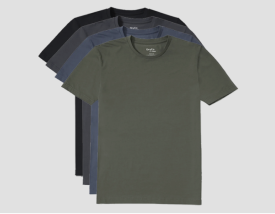
If you run warm, sit under lights, commute in heat, or deal with stress sweat, underlayers can make a real difference. A lightweight sweat wicking undershirt under a blouse or structured top can help stabilize the outfit and reduce that “now I need to think about my shirt” feeling.
The goal is not to add bulk. It is to keep the visible layer cleaner, calmer, and easier to wear for longer.
Build a Smaller, Smarter Rotation
The best executive wardrobe is usually not the biggest one. It is the one with the fewest weak links.
A strong foundation often looks like this:
● 2 blazers
● 3 trousers
● 1 skirt
● 2 dresses
● 5 to 6 tops
● 2 layering pieces
● 3 pairs of shoes
Then add a few personality pieces once the base is reliable.
This gives you enough range to repeat outfits intelligently without making every morning a new styling event.
Frequently Answered Questions
What fabrics work best for women’s executive clothing?
Cotton blends, ponte, wool blends, silk blends, and wrinkle-controlled linen blends usually perform well because they balance comfort, structure, and appearance.
Can dresses still work in executive settings?
Yes. Shift dresses, wrap dresses, and clean shirt dresses are often some of the easiest professional pieces to wear because they reduce decision fatigue and layer well.
How do you make executive outfits more comfortable?
Focus on fit, fabric, movement, and underlayers. If the clothing pulls, wrinkles badly, overheats, or shifts while sitting, it usually will not hold up through a full workday.
Are flats acceptable in executive workplaces?
Absolutely. Structured loafers, polished flats, and low block heels often look more capable and practical than shoes that limit movement.
What should matter most when buying workwear?
Prioritize repeat wear. The most valuable work clothes are the ones you trust on busy days, not the ones that only look good in theory.
Final Thoughts
Executive dressing works best when it quietly supports the life you actually have.
That means clothing that moves well, holds shape, handles long hours, and helps you look composed without constant maintenance. It is less about building a “power wardrobe” in the old sense and more about building a reliable system.
When the fit is right, the fabric behaves, and the outfit holds together through a real day, you stop thinking about your clothes. That is usually when they are doing their job best.
Shop Neat Apparel for sweat-smart essentials built to keep workwear cleaner, lighter, and easier to wear.


