


Confidence at work is often mistaken for volume. Speak louder. Take up more space. Push harder. But in practice, confidence is quieter and far more practical. It is the ability to stay present, focused, and steady no matter how long the day runs or how much pressure builds.
That kind of confidence is not purely mental. It is physical. When your body feels supported instead of distracted, your attention stays outward. You listen better. You respond instead of react. And one of the most overlooked factors in that equation is what you are wearing for eight to twelve hours a day.
The Psychology Behind Clothing and Performance
There is a well-documented concept in psychology known as enclothed cognition. It explains how clothing influences how we think, behave, and perform. What you wear sends signals to your brain about readiness, control, and competence.
When clothing feels stable and familiar, the mind settles. When clothing feels unreliable, too warm, restrictive, or prone to visible sweat, attention turns inward. You start monitoring yourself instead of the room. That internal monitoring quietly drains confidence.
This is why comfortable clothes matter more than most people realize. Comfort removes friction. And when friction disappears, confidence stops feeling forced.
Comfort Is Really the Absence of Distraction

Professional confidence does not come from impressing others. It comes from not being distracted by yourself.
Common distractions include overheating, damp fabric, clinging shirts, or the fear of visible sweat. These issues are especially common in long meetings, commutes, presentations, and high-pressure environments.
This is where moisture control clothing changes the experience of a workday. Fabrics that regulate airflow and manage sweat allow you to stay mentally present across changing temperatures and stress levels. Instead of adjusting, pulling, or checking, you stay engaged.
For people who sweat heavily, traditional office clothing often fails because it was never designed for movement or heat. Purpose-built clothes for heavy sweating remove that daily friction and allow performance to take center stage.
Fit, Fabric, and the First Layer
Fit matters, but fabric does the real work.
Clothing that is too tight traps heat. Clothing that is too loose shifts and distracts. The goal is stability. When garments move with your body and maintain structure, posture improves and confidence follows.
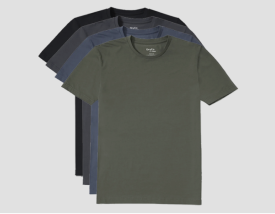
The most important layer is the one closest to the skin. A well-designed office undershirt for men can rely on acts as a buffer between the body and outer clothing. It absorbs sweat, spreads it evenly, and dries quickly so your shirt stays clean and composed.
For those who deal with persistent or heavy sweating, a cooling undershirt is not about appearance alone. It is about removing the mental load of self-monitoring. When you trust that your clothing has you covered, you stop thinking about sweat altogether.
Psychological Safety and Daily Stability

Comfort does more than prevent discomfort. It creates a sense of psychological safety.
When clothing feels supportive rather than unpredictable, you are more willing to speak up, share ideas, and take measured risks. You are not conserving energy for damage control. You are using it for contribution.
This matters most during high-stakes moments. Difficult conversations. Presentations. Leadership decisions. If physical discomfort is already consuming attention, emotional resilience has less room to operate.
Reliable, breathable clothing gives you a stable base. From that base, confidence becomes sustainable instead of situational.
Clothing as Nonverbal Communication
What you wear also communicates before you ever speak.
Well-fitted, intentional clothing signals organization and reliability. Clean lines and composed layers project calm competence. Neutral colors reinforce trust. When clothing stays dry and structured throughout the day, perception stays consistent.
This creates a positive feedback loop. Comfort supports presence. Presence improves perception. Strong perception reinforces confidence. Over time, that loop compounds.
Quiet Confidence Beats Loud Performance
There is a difference between loud confidence and quiet confidence. Loud confidence performs. Quiet confidence endures.
Quiet confidence allows you to listen, ask better questions, and stay grounded under pressure. It does not need to announce itself. It shows up through consistency.
Clothing that performs quietly supports that mindset. When your base layers manage sweat and your outer layers stay composed, there is nothing to prove. You simply show up ready.
Building a Wardrobe That Supports Confidence
A confidence-supporting wardrobe does not require more clothes. It requires better alignment.
Focus on fit and fabric over trends. Choose pieces that layer easily and adapt to long days. Start with the base layer. Reduce excess options. Pay attention to what makes you feel most at ease and most capable.
When clothing works with your body instead of against it, confidence stops feeling fragile.
Frequently Asked Questions
Can uncomfortable clothing actually affect work performance?
Yes. Discomfort pulls attention inward, which reduces focus, patience, and decision-making capacity during long or high-pressure workdays.
Why does confidence drop when clothes show sweat?
Visible sweat increases self-monitoring. When you start thinking about how you look, mental energy shifts away from communication and problem-solving.
Are confidence-boosting clothes about style or function?
Function comes first. When clothing manages heat, moisture, and movement, confidence follows naturally without needing bold or trendy styling.
Do comfortable clothes still look professional in office settings?
Absolutely. Modern performance fabrics and clean fits maintain a polished appearance while offering better comfort than traditional rigid materials.
How does moisture control clothing reduce mental fatigue?
By preventing overheating and dampness, it removes constant physical distractions that quietly drain energy throughout the day.
Is an office undershirt helpful even if I do not sweat heavily?
Yes. It stabilizes temperature, improves fit, and adds comfort, which benefits focus and posture even on low-sweat days.
Can the right clothing help with confidence during presentations or meetings?
Yes. When you trust your clothing to stay dry, breathable, and composed, you can stay present instead of worrying about discomfort or appearance.
Final Thought: Confidence Starts at the First Layer
Professional confidence is not a personality trait. It is a condition created by repetition, preparation, and support.
What you wear every day plays a quiet but powerful role in that process. Whether it is an undershirt that manages sweat, a fabric that breathes through long hours, or clothing that allows you to move without distraction, confidence often begins with the first layer you put on.
Choosing comfort is not choosing ease over ambition. It is choosing a foundation that lets ambition show up fully, calmly, and consistently.
Dress for comfort. Show up with confidence. Shop Neat.


