


If you have ever pushed away a warm plate of food only to notice your forehead start to glisten, you are not alone. Post-meal sweat is a real thing. Most people call it “food sweats,” but the medical term is gustatory sweating, and it simply means your body is reacting to food, flavor, or even the thought of eating.
For some, it is harmless. For others, it shows up often enough to feel frustrating, especially when you are dressed up for a meeting or trying to stay crisp in your sweat resistant clothing.
Why You Sweat After Eating
Digestion is hard work. The moment you start eating, your body switches into processing mode. Breaking down food, pulling out nutrients, and turning fuel into energy requires effort. That effort produces heat. And when your core temperature rises, sweat follows.
This effect is known as the thermic effect of food, and it accounts for about 10 percent of your daily calorie burn. It’s like revving an engine. More work equals more heat.
Why Protein Makes You Sweat More
Protein takes the most energy to digest. That is why heavy, meat-centered meals sometimes trigger what people jokingly call “meat sweats.” Here is how each macronutrient stacks up:
● Protein: 20–30 percent thermic effect
● Carbs: 5–10 percent
● Fats: 0–3 percent
A high-protein plate means your internal engine is working overtime.
Why Some People Sweat More Than Others
It’s common that some people sweat more than others. Age, muscle mass, activity level, hormones, and genetics all influence how much heat your body produces after eating. Faster metabolism often means a stronger thermic response. But a milder metabolism is normal too. The spectrum is wide.
Foods That Commonly Cause Sweating

Some foods warm you from the inside, while others activate your sweat glands through chemical reactions. Understanding which foods trigger heat spikes makes it easier to stay comfortable, especially if you rely on sweat resistant clothing or sweat blocking shirts to stay dry throughout the day. These triggers vary by person, but several categories consistently show up in research and everyday experiences.
Spicy Foods That Trigger Heat Response
Chili peppers, curries, hot sauces, and anything seasoned with capsaicin send your body into heat-response mode. Capsaicin activates the same receptors that respond to actual high temperatures, creating the sensation of overheating even when your environment is cool. As a result, your face may flush, your scalp may tingle, and sweat can appear across the forehead and upper lip.
People who are more sensitive to heat or who have naturally higher sweat production often notice this reaction more intensely.
Hot Drinks and Soups That Elevate Core Temperature
Your body reacts to temperature just as much as ingredients. Very hot soups, broths, teas, and coffees can raise your internal temperature fast. When your core temperature climbs, your cooling system responds with sweat. This type of sweating tends to show up quickly and fade just as fast, but it can still be inconvenient during work lunches or social meals.
Choosing warm instead of steaming hot beverages can help moderate this effect, especially if you tend to feel flushed.
Sugary Snacks and Blood Sugar Drops That Lead to Sweating
Foods high in sugar or refined carbs can trigger a rapid spike in blood glucose. When your body releases insulin to lower those levels, it sometimes overshoots, causing a sudden dip known as reactive hypoglycemia. Sweating is one of the first signs of that drop. You may also feel shaky, lightheaded, or unusually hungry. This type of sweating has more to do with internal chemistry than temperature.
Pairing sweets with protein or healthy fats can help stabilize blood sugar swings so you feel more balanced and less sweaty after meals.
How Caffeine, Alcohol, and Processed Foods Affect Sweat Levels
Caffeine stimulates your nervous system, increasing heart rate and circulation. This heightened state can make your body feel warmer than it actually is, leading to mild sweat episodes during or after your drink. Alcohol works differently. It expands blood vessels, creating a warm rush that signals your body to cool itself through perspiration.
Processed foods can also contribute to sweating because they often contain additives, artificial flavorings, and high sodium levels that challenge your digestive system. These factors can create extra heat as your body works harder to break them down.
Other trigger categories include processed foods, acidic ingredients, nicotine, and certain spices.
When Post-Meal Sweating Becomes Excessive
Most post-meal sweating is completely normal, but when it becomes intense, unpredictable, or shows up even before you take the first bite, it may indicate something more than a standard heat response.
Some people experience sweating that lasts much longer than expected or happens with foods that are neither hot nor spicy. When this pattern continues, it may suggest an underlying issue that affects how the body manages heat during meals.
Signs You May Have Gustatory Hyperhidrosis
Gustatory hyperhidrosis occurs when nerves responsible for activating sweat glands become overly sensitive during eating. This can cause sweat to appear quickly, often within seconds of tasting or even smelling food.
Individuals may notice that sweating happens regardless of temperature or spice level, making simple meals feel physically uncomfortable. If you consistently avoid meals with others or feel anxious about sweating while eating, this condition may be involved.
Common Areas Affected by Post-Meal Sweating
This type of sweating usually shows up in the upper half of the body. The most commonly affected areas include the forehead, upper lip, cheeks, jawline, scalp, and sometimes the neck. For many people, the sweating is concentrated around the face, which can feel especially noticeable during social meals or work meetings. Even mild foods can trigger this response, making it hard to stay comfortable.
Nerve-Related Causes of Post-Meal Sweating
Sometimes post-meal sweating comes from nerve sensitivity rather than the food itself. When these nerves misfire or heal incorrectly, even mild meals can trigger sudden facial sweating. This type of reaction often feels different from typical heat or spice-related sweat.
Frey’s Syndrome and One-Sided Facial Sweating
Frey's Syndrome occurs when nerve damage, often from surgery or injury, leads to abnormal sweating on one side of the face during eating. This condition typically affects the area around the cheek, jaw, or temple, causing localized facial sweating. It usually happens after trauma to the parotid glands or nearby facial nerves, and the sweating is often triggered by the act of eating, even with mild foods.
Other Medical Conditions Linked to Gustatory Sweating
● Diabetes
● Parkinson’s disease
● Shingles on the face
● Hormonal disorders like PCOS (less common)
● Severe infections or tumors affecting facial nerves
People with long-term diabetes may experience gustatory sweating more often due to autonomic neuropathy, where nerve signals do not fire normally.
How to Manage Post-Meal Sweating

If sweating after eating is mild, lifestyle changes are usually enough. If it is intense or frequent, talk to a healthcare provider. They may ask about your diet, medications, medical history, or past surgeries.
Lifestyle Changes That Reduce Gustatory Sweating
● Keeping a food log to spot patterns
● Choosing cooler meals or drinks
● Limiting very spicy, sugary, or steaming-hot foods
● Pairing carbs with fiber or fat to slow digestion
● Avoiding alcohol or nicotine before meals if they worsen symptoms
Medical Treatments for Persistent Post-Meal Sweat
● Botox to block sweat signals temporarily
● Prescription creams that reduce nerve activation
● Clinical antiperspirants for mild cases
● Surgery in severe, non-responsive cases
Frequently Asked Questions
Why do I sweat even before I start eating?
Sweating before the first bite often happens when your body anticipates food. This can activate the same nerves involved in digestion, especially in people with gustatory hyperhidrosis. Even the smell or thought of a meal can trigger a heat response that shows up as facial sweat.
Can certain diets help reduce sweating after meals?
Yes. Many people find relief by choosing meals that are lower in sugar, less spicy, and not extremely hot in temperature. Pairing carbs with protein or healthy fats can help stabilize blood sugar, which reduces sweating for those sensitive to glucose fluctuations.
Is post-meal sweating connected to dehydration?
It can be. When you are slightly dehydrated, your body works harder to regulate temperature. This extra effort may trigger sweating during or after meals. Drinking water consistently throughout the day helps your body stay balanced.
Should I be concerned if only my face sweats after eating?
Facial sweating during meals is common and does not always indicate a medical issue. However, if it is intense, persistent, or occurs with very mild foods, it may be worth discussing with a healthcare provider to rule out gustatory hyperhidrosis or nerve-related causes.
Can wearing sweat resistant clothing help with post-meal sweating?
Sweat resistant clothing or moisture wicking undershirts cannot stop internal triggers, but they can help you stay dry and confident on the outside. High-performance layers manage moisture, prevent visible sweat marks, and keep you more comfortable during social or work meals.
The Takeaway: Staying Dry and Comfortable With Neat’s Sweat Proof Shirts
Most post-meal sweating is simply your body doing its job. But if it becomes disruptive, there are solutions that help you stay comfortable and confident at the table.
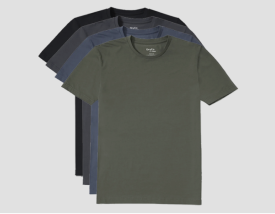
Outside meal times, the right wardrobe also makes a difference. Many people who deal with unpredictable sweat rely on sweat resistant clothing under their outfits. Neat Apparel’s sweat proof undershirts can help keep you dry enough that even unexpected heat spikes feel manageable.
You deserve to enjoy your meals without worrying about what your body might do next. Understanding your triggers, spotting patterns, and choosing the right layers gives you that control back. And when your base layer works for you, you stay sharper, drier, and more comfortable long after the meal ends.
Stay dry, stay confident. Shop Neat’s Sweat Proof Undershirts.


