
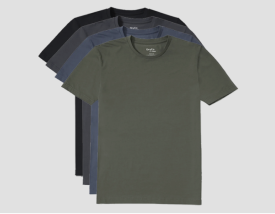


Walk into any clothing store or scroll through an online shop and you’ll notice something strange. Two shirts can look nearly identical. One costs $18. The other costs $80. The fabric looks similar. The design looks simple. Yet the price gap is huge.
That difference creates a common question: what are you actually paying for?
Sometimes the answer is quality. Sometimes it’s marketing. Often it’s a mixture of both. Understanding what makes clothing truly worth the price helps you build a wardrobe that works better and lasts longer.
When you learn how to separate brand and value, you stop buying guesswork and start buying performance.
What a Brand Actually Represents
A brand is essentially a shortcut for decision-making.
When you see a familiar label, your brain already associates it with certain expectations. You may expect quality, comfort, status, reliability, or even nostalgia.
That mental shortcut is known as brand equity. It comes from years of marketing, product experience, and customer loyalty.
But the label itself is not the product.
The real question shoppers should ask is simple: does the product in your hands deliver the experience the brand promises?
If the answer is yes, the price may feel justified. If the answer is no, the label becomes an expensive decoration.
Why Price Alone Doesn’t Define Quality
Many people assume expensive clothing automatically lasts longer. Unfortunately, that assumption isn’t always correct.
Price often reflects factors that have nothing to do with durability.
These may include:
● Advertising campaigns
● Celebrity partnerships
● Retail store overhead
● Influencer promotions
● Brand positioning
None of these things improve the stitching of a shirt or the durability of its fabric.
At the same time, cheaper garments sometimes perform surprisingly well. Simple designs made with sturdy fabric and efficient manufacturing can last longer than expected.
This is why price should be treated as a signal, not a guarantee.
The Real Indicators of Value
If you want to judge apparel objectively, focus on the things that fail first.
Clothing rarely falls apart all at once. Instead, it slowly loses performance in certain areas.
Common failure points include:
● Collar stretching
● Fabric thinning
● Underarm staining
● Odor retention
● Twisting seams
High-value garments are designed to delay these problems.
Better yarn quality, stronger seams, and thoughtful construction extend the life of a garment and make it more comfortable over time.
Materials Matter More Than Logos

The fiber and fabric construction play a huge role in how clothing performs.
Cotton shirts can feel soft and breathable, but they also tend to absorb moisture. Once saturated, they can become heavy and slow to dry.
Technical blends behave differently. Some fabrics are designed to move moisture away from the skin rather than absorbing it.
This is why many people rely on a sweat proof undershirt for long days, commuting, or warm weather. Fabrics engineered to manage moisture help clothing stay presentable longer.
Matching the fabric to the situation is one of the easiest ways to improve the real value of a garment.
Fit Consistency Is Worth Paying For
Fit might be the most underrated element of clothing value.
When a brand consistently fits your body well, it removes friction from your daily routine.
You don’t spend time wondering if the sleeves will sit correctly. You don’t worry about whether the shirt will shrink after washing. The garment simply works.
Reliable fit means:
● Better comfort
● Fewer returns
● Less wardrobe stress
That consistency is one reason many people stay loyal to certain brands.
Simpler Wardrobes Often Deliver Better Value

Many people discover that fewer, better pieces outperform large closets full of random purchases.
A well-built wardrobe often includes a few dependable staples that can be worn repeatedly in different situations.
For example, minimalist shirts are popular because they combine simple design with versatility. They can work under jackets, with casual outfits, or on travel days.
When a piece fits multiple contexts, it gets worn more often.
And that repetition is what creates real value.
The Hidden Cost of Cheap Clothing
A low price tag does not show the full cost of a garment.
Cheap clothing can create additional expenses over time.
These costs often appear as:
● Replacing items more frequently
● Extra laundry due to odor retention
● Clothing that loses shape quickly
● Time spent searching for replacements
When you constantly replace items, the total spending adds up.
This is where the idea of cost per wear becomes useful. Instead of focusing on the initial price, it measures how much value you get over the life of the garment.
A shirt worn 100 times becomes dramatically cheaper per use than a shirt worn five times.
When Brand Premium Is Justified
Not all brand premiums are meaningless.
Some companies invest heavily in quality control, fabric development, and production standards.
Higher prices may sometimes reflect:
● Better materials
● Stronger stitching
● Consistent sizing
● Lower defect rates
● Responsible manufacturing
In those cases, the higher price can translate into a better long-term experience.
The key question remains: does the price improve the product itself, or only the marketing around it?
How to Evaluate Clothing Before Buying
You don’t need to be a fashion expert to judge clothing value. A few quick checks can reveal whether a garment is built well or likely to fail early. Before buying, take a moment to look closely at the construction and how the fabric behaves. Small details often reveal more than the label.
● Inspect the stitching: Seams should look tight, straight, and evenly spaced. Loose threads or uneven stitching can signal weak construction.
● Check the collar recovery: Gently stretch the collar and see if it snaps back into place. Good recovery usually means the neckline will keep its shape after washing.
● Look at the inside construction: Turn the garment inside out and feel the fabric. The interior stitching, seams, and finishing often reveal the true quality of the piece.
Buying for Your Lifestyle
The most valuable clothing is the clothing that works in your real life.
If you live in a warm climate or sweat easily, breathable fabrics and moisture management matter more than heavy styling.
If you travel frequently, durability and wrinkle resistance may matter more.
Value depends on whether the garment solves real problems in your day-to-day routine.
When clothing supports your lifestyle instead of fighting it, the price becomes easier to justify.
Frequently Asked Questions
Does a higher price always mean better quality?
No. A higher price can reflect marketing, retail overhead, or prestige. Quality depends more on materials, construction, and how well the garment performs over time.
Why is fit consistency important when judging value?
Consistent fit reduces returns, outfit stress, and wasted purchases. If a shirt fits the same way every time, it becomes easier to trust and wear often.
How does cost per wear help you shop smarter?
Cost per wear shifts the focus from the upfront price to long-term use. A more expensive shirt worn 100 times can offer better value than a cheap shirt worn only a few times.
What are the first signs that a shirt is low quality?
Common warning signs include stretched collars, twisted seams, thinning fabric, underarm staining, and poor shape retention after washing.
Can minimalist shirts offer better value than trend-driven pieces?
Yes. Minimalist shirts are often easier to repeat, layer, and wear across different situations, which increases how often you use them and lowers waste.
Final Thoughts
The real difference between brand and value becomes clear over time.
Brand is the promise. Value is the proof.
A shirt proves its value when it stays comfortable, keeps its shape, and remains wearable after months or years of use. It proves itself when you reach for it again without hesitation.
Buy fewer pieces that do more.
Shop Neat Apparel for performance-driven essentials built to hold their shape, stay comfortable, and keep earning their place in your wardrobe.


