


A lot of work stress has nothing to do with deadlines.
Sometimes it starts with your shirt collar. Or a waistband that digs in after lunch. Or fabric that turns warm, sticky, and distracting before the first real meeting of the day.
That kind of discomfort seems small until it follows you for eight hours. Then it becomes background noise your brain keeps trying to solve. You adjust, fidget, overthink, and lose focus in tiny pieces.
Good workwear cannot fix your inbox. But it can remove friction. And when your clothing stops demanding attention, your day usually gets easier.
That is the real point of getting dressed well for work. Not to impress the room. To give yourself fewer problems while you are in it.
Why Clothing Affects Stress More Than People Admit
Most people think of work stress as a mental issue. But clothing often turns it physical.
If your outfit is stiff, hot, scratchy, or restrictive, your body stays slightly irritated all day. That irritation affects posture, breathing, focus, and patience. It also makes you more aware of yourself in ways that are rarely helpful.
When clothes fit well and move well, the opposite happens. You stop negotiating with your outfit. You sit more naturally. You move more easily. You feel less “on display” and more in control.
That is one of the easiest ways to reduce stress at work without changing your entire routine. Remove one source of physical friction, and the mental load usually drops with it.
The Hidden Tax of Discomfort
Discomfort does not just annoy you. It drains you.
It shows up as:
● more fidgeting
● more adjusting
● more body awareness
● more hesitation before speaking or moving
● more distraction in moments where you need focus
That is especially true in meetings, presentations, and social settings at work where people already feel pressure to look composed.
For some people, anxiety and sweating become part of that loop. The more physically uncomfortable the outfit feels, the more noticeable every small body cue becomes. Heat, dampness, and tension stop feeling neutral and start feeling like a problem that needs to be hidden.
That is when clothing stops being a tool and starts becoming part of the stress.
Start With Fit, Not Formality
A lot of people try to solve workwear problems by dressing more formally. Usually the better answer is dressing more intelligently.
Fit is where this starts.
Good workwear should:
● sit cleanly without pulling
● allow easy movement through the shoulders and waist
● stay stable when you sit down
● stop asking to be adjusted every 20 minutes
Sharp does not need to mean tight. In fact, many outfits look more polished when they skim the body instead of clinging to it.
A shirt that gives you room to breathe will almost always beat one that looks “tailored” for five minutes and then becomes a full-day negotiation.
Fabric Decides the Mood of the Day
A lot of workplace discomfort is really a fabric issue in disguise.
Fabric controls:
● breathability
● heat retention
● stretch and recovery
● softness against the skin
● how quickly moisture becomes noticeable
The best work fabrics usually share a few traits. They move with you, recover after sitting, and do not trap heat the second the office warms up.
This is where comfortable clothes separate themselves from clothes that just look fine on a hanger. The difference is not softness alone. It is whether the garment still feels wearable by mid-afternoon.
Reliable options for long days often include:
● cotton with a little stretch
● wool blends with shape retention
● ponte-style knits
● softer technical blends that do not read sporty
● breathable linens or linen blends in warm climates
The goal is not to feel casual. It is to feel unbothered.
Office Stress Gets Worse When Heat Builds Up
Even if your work environment looks calm, your body may not read it that way.
A packed meeting room, a fast commute, a presentation, an awkward conversation, or just the pressure of being watched can raise body temperature quickly. That is when sweat becomes a bigger part of the workday experience.
For some people, anxiety sweat is the hardest version to deal with. It shows up quickly, often in predictable places, and makes people more self-conscious the second they notice it.
That can create another layer of work stress:
● you stop moving naturally
● you pin your arms down
● you think about your shirt instead of the conversation
● you become less present in the room
The outfit may look professional, but if it keeps amplifying body awareness, it is not actually helping.
Build a Better Base Layer
The easiest fix is often the least visible one.
A good underlayer can absorb some of the stress a work shirt cannot handle on its own. It can reduce cling, manage moisture earlier, and help the visible layer stay calmer through long hours.
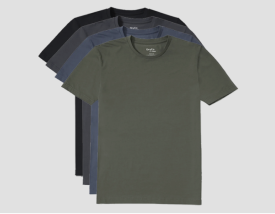
That is why moisture-wicking undershirts are so useful in workwear systems. They do not need to be bulky or obvious. They just need to reduce the chance that heat and moisture become your main focus halfway through the day.
For people who deal with nervous-system-driven sweating in work settings, a well-chosen anxiety shirt underneath the visible outfit can make a bigger difference than changing the outer shirt entirely.
The point is not to armor yourself. The point is to remove one more thing your brain has to monitor.
Dress for the Way You Actually Work

A good work wardrobe should reflect how your day actually moves.
Think about:
● how often you commute
● how long you stay seated
● how often you walk between meetings
● whether your office runs hot or cold
● how often you are on camera or presenting
When people build outfits only for the first hour of the day, they usually end up frustrated by the fourth. A better approach is to dress for the whole schedule.
That is where an all day apparel mindset helps. You want pieces that survive the office, the commute, the lunch break, the meeting room, and the late-afternoon slump without becoming visually or physically unstable.
The more your wardrobe works across the whole day, the less mental energy you spend managing it.
Simpler Outfit Formulas Reduce Decision Stress
The less decision-making you have to do in the morning, the better.
Instead of reinventing the wheel every day, build a few repeatable combinations that already work.
Examples:
● knit polo + stretch trouser + loafers
● soft button-down + unstructured blazer + chinos
● refined tee + overshirt + clean trousers
● lightweight sweater + wool-blend pant + minimal shoe
The exact formula matters less than the principle: choose combinations that are easy to wear, easy to repeat, and easy to trust.
This is especially helpful for people dealing with sweating social anxiety, because a repeatable outfit removes some of the uncertainty before the day even begins. If you already know the shirt works, that is one less thing to worry about.
Shoes Matter More Than You Think
Bad shoes make everything worse.
They change posture, shorten patience, and add one more physical irritation to a day that may already feel overloaded. If you are limping mentally or physically by 2 p.m., the rest of the outfit does not matter much.
The best work shoes:
● feel supportive after several hours
● do not overheat too fast
● work with your main outfit formulas
● look clean without demanding constant maintenance
Comfortable shoes are not a bonus. They are part of the stress-reduction system.
Small Maintenance Habits Reduce Future Stress
Work stress often starts the night before when your wardrobe is not ready.
A few habits can make mornings easier:
● steam or hang clothes properly after wear
● rotate shoes so they recover
● keep a lint roller and stain pen nearby
● store your most reliable combinations together
● keep one backup shirt or layer at work if needed
These are small things, but they lower daily friction. And friction is usually where avoidable stress lives.
Frequently Asked Questions
Can clothing really affect stress at work?
Yes. Tight, hot, stiff, or distracting clothing adds physical friction, which increases body awareness and makes it harder to stay focused through long days.
What kind of fabrics are best for reducing workday discomfort?
Fabrics that breathe well, recover after movement, and do not trap heat are usually best. Cotton blends, wool blends, ponte, and refined technical fabrics often work well.
Why does sweating make work feel more stressful?
Because it can increase self-awareness and make people feel exposed or distracted, especially during meetings, presentations, or social situations.
Do undershirts help with nervous sweating?
Yes. A lightweight underlayer can reduce cling, absorb moisture earlier, and help the visible shirt stay cleaner and more stable through the day.
What is the easiest way to make work outfits less stressful?
Start with better fit, more breathable fabric, and a few repeatable outfit formulas that you already know feel good during real workdays.
Final Thoughts
Clothing will never remove every stressful part of work. But it can absolutely remove some of the unnecessary ones.
When your outfit fits right, handles heat better, moves naturally, and stays comfortable through a full day, it stops competing for your attention. That matters more than people think.
The best workwear is not just polished. It is calming. It reduces the number of things your body has to manage while your mind is trying to do its job.
That is what good clothing should do. Not add to the pressure. Quiet it down.
Shop Neat Apparel for sweat-smart layers built to feel lighter, calmer, and easier to wear when pressure is high.


