


Sweating keeps you cool. It also creates the exact conditions your skin dislikes most: moisture, heat, salt, and friction.
Most irritation is not about “sweating a lot.” It is about where sweat collects, how long it stays, and what your clothing does with it. If fabric traps moisture, clings, or rubs, sweat stops being helpful and starts becoming a problem. If fabric moves moisture away and stays smooth, flare-ups are far less likely.
This guide breaks down what is happening on your skin, the common types of sweat-related irritation, and how to dress so you stay comfortable in heat, humidity, and long active days.
Why Sweat Can Trigger Rashes and Irritation
Sweat comes from eccrine glands and exits through tiny ducts. As it evaporates, your body cools. Trouble starts when sweat can’t evaporate or can’t exit properly.
When sweat ducts clog, sweat gets trapped under the surface. That trapped fluid causes swelling and inflammation, which often shows up as red bumps, prickly patches, or an itchy sting.
Common reasons ducts clog:
● high sweat volume
● dead skin buildup around the duct opening
● occlusion from tight clothing or heavy fabrics
● repeated overheating cycles that keep skin damp
Warm, wet skin also gives microbes a better environment to multiply. That can make irritation feel more intense.
Why sweat makes skin more sensitive
Sweat changes your skin surface in three annoying ways:
● it softens the outer skin barrier, making it easier to damage
● it leaves salt behind as it dries, which can sting and irritate
● it creates a damp film that increases rubbing from fabric and straps
This is why clothing fit and fabric choice matter so much.
Sweat Rash vs Heat Rash vs Chafing
People often say “rash” when they mean three different issues.
Heat rash (miliaria): Heat rash happens when sweat gets trapped. It can look like tiny bumps and feel prickly or itchy, especially in hot conditions.
Types vary by depth:
● surface-level clear bumps
● red, prickly bumps (most common)
● inflamed bumps that look like small pimples
● deeper, flesh-colored bumps (rare)
Chafing: Chafing is friction. It’s a rubbing injury caused by skin-on-skin or fabric-on-skin contact, made worse by sweat.
It usually shows up as:
● red, sore patches
● tenderness and burning
● raw skin in repeated rub zones
Common zones: inner thighs, underarms, groin, waistband lines, bra bands, anywhere straps sit.
A fast symptom check
● Tiny bumps + prickly itch + worse in heat: likely heat rash
● Red, sore patch exactly where rubbing happens: likely chafing
● Moist irritation in folds that lingers: could be friction plus trapped moisture
If it spreads, smells, becomes warm, or oozes, consider medical advice.
Why Clothing Often Makes It Worse

Sweat becomes irritating when it is trapped, concentrated, or constantly rubbed into skin. Clothing controls all three.
Cotton’s biggest issue
Cotton feels soft at first. Then it absorbs sweat and holds it. That creates a damp layer that dries slowly, increases friction, and keeps salt sitting on the skin longer.
Cotton is not “bad” for every situation, but it is often the wrong call for high heat, humidity, or long active wear.
Tight clothing can trap heat and increase rubbing
Tight garments increase rash risk by:
● pressing sweat and oils into pores
● increasing contact friction along seams and folds
● reducing airflow so sweat can’t evaporate
Dense fabrics like denim make it worse. They trap heat and create rough rubbing points.
Not all synthetics are equal
Some synthetics breathe well and move sweat. Others trap heat. The real checklist is airflow, dry time, surface smoothness, and seam construction.
What to Wear Instead

The goal is simple:
● move moisture off skin
● keep surfaces smooth
● let air circulate
Moisture management that actually helps
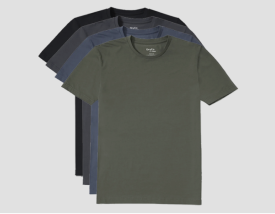
This is where moisture wicking undershirts earn their place. A good base layer helps pull sweat off the skin and reduce the damp friction that triggers irritation.
It is especially helpful for high-sweat zones like the chest, underarms, and back. If you deal with back sweat, a base layer can reduce that sticky “wet shirt” feeling and help lower the chance of a sweat skin rash.
If you are looking for more consistent sweat control in everyday life, sweat-proof shirts can also help by limiting sweat transfer and keeping outer layers from showing moisture.
Better natural options for lower-intensity heat
For casual hot days, airy natural fibers can work well when they stay loose:
● linen for airflow
● lyocell blends for softness
● lightweight merino for moisture management without feeling “plastic”
The key is still fit and airflow. Tight natural fabrics can still trap sweat.
Fit and Construction Matter as Much as Fabric
Fabric is only half the equation. Construction decides whether the fabric actually helps.
Loose-fitting clothing reduces pressure on sweat ducts and lowers rubbing. If you flare up in specific zones, loosen the cut there. Underarms and upper back are common problem areas.
Even good fabric can fail if it has:
● rough seams
● thick stitching
● scratchy tags
● textured inner surfaces that grab when damp
Flat seams and tagless construction help reduce friction.
Layering can reduce irritation
Layering is not just for cold weather. In heat, a light base layer can pull sweat off skin while an outer layer provides coverage. The goal is control, not bulk.
Hygiene and Skin Habits That Help
Clothing helps, but it cannot do everything.
● shower or rinse after heavy sweating
● pat dry instead of rubbing
● avoid heavy oily products in hot weather if you are prone to heat rash
● consider an antiperspirant if sweat volume is the main trigger
● use friction barriers on known chafe zones
Powders can help in folds, but barrier products are often better for true chafing.
What to Do When a Rash Starts
When irritation shows up, do two things: cool and dry.
● move to a cooler environment
● loosen or remove tight clothing
● use cool compresses
● avoid scratching
● use soothing products sparingly
Zinc oxide can protect irritated skin. Hydrocortisone can reduce inflammation short-term. If heavy ointments make it worse, focus on airflow and cooling.
When to Get Medical Advice
Many sweat rashes improve in a few days once the skin is cooled and kept dry. Seek medical advice if:
● it is worsening after several days
● pain, warmth, swelling, or spreading redness develops
● you see pus, open sores, or drainage
● you feel feverish or unwell
● it keeps recurring in the same pattern
Frequently Answered Questions
What causes sweat rash on the back?
Sweat rash on the back often happens when sweat gets trapped under clothing. Heat, friction, and blocked airflow prevent sweat from evaporating, leading to irritation.
Is a sweat skin rash from back sweat the same as heat rash?
Not always. Back sweat can cause heat rash when sweat ducts are blocked, or chafing when damp fabric rubs the skin repeatedly.
Do moisture wicking undershirts help prevent sweat rashes?
Yes. Moisture wicking undershirts move sweat off the skin and reduce damp friction, which can lower the risk of rashes and irritation.
Are sweat proof shirts good for sensitive skin?
Sweat proof shirts can help by limiting sweat transfer and keeping skin drier. This reduces prolonged moisture contact that often triggers irritation.
How long does a sweat rash usually take to heal?
Most mild sweat rashes improve within a few days once the skin is kept cool, dry, and free from friction. Persistent or worsening rashes may need medical attention.
Conclusion: Sweat Is Normal. Irritation Doesn’t Have to Be.
Sweat is part of how your body works. The problem is what happens when sweat gets trapped, rubbed, and left sitting against skin for too long.
If you want fewer flare-ups, focus on three things: airflow, smooth contact, and faster moisture control. That means lighter fabrics, better fit, and fewer friction points. For high-sweat days, moisture wicking undershirts can help reduce damp rubbing, especially in underarms and back zones where irritation is common. If sweat visibility is your main issue, Sweat proof shirts can help keep outer layers cleaner and more composed.
The goal is simple. Less itch. Less sting. More comfort. And clothing that works with your skin instead of against it.
Stay dry. Stay comfortable. Shop Neat.


