


Being tall changes how you move through the world. Chairs sit lower. Desks feel shallow. Car seats never quite line up. Even walking through a normal day can feel like you are constantly folding yourself into spaces that were not designed for you.
One of the most frustrating side effects shows up quietly and then all at once. A damp, uncomfortable back. A short walk. A commute. Thirty minutes at a desk. Suddenly your shirt tells a story you did not plan to share.
This is not bad luck or weak willpower. There are clear physical, environmental, and clothing-related reasons taller men notice moisture on their back sooner and have a harder time keeping it under control. Once you understand those reasons, the fixes become much more practical.
Bigger Frame, More Heat, Faster Buildup
A taller body produces more heat during normal movement. That is not a flaw. It is physics.
Longer limbs mean more distance covered with every motion. A larger torso means more muscle doing stabilizing work even when you are standing still or sitting upright. Most of the energy your body produces turns into heat, not motion.
Small, everyday actions add up:
● Standing up from a low chair
● Leaning forward to type at a desk built for shorter torsos
● Carrying a backpack across a longer spine
● Sitting upright without proper back support
Each movement increases heat production. When heat builds faster than it can escape, the body switches on its most reliable cooling system. Sweat follows.
Why the Back Shows It First

The back is one of the body’s highest-output heat zones.
● It holds large muscle groups
● It is often pressed against chairs, seats, or packs
● It has limited airflow compared to the chest or arms
For taller men, that surface area is simply larger. Sweat glands activate across more real estate, and once moisture is trapped, it stays trapped.
This is where back sweat becomes noticeable. Not because you are sweating too much, but because evaporation is blocked. When sweat cannot dry, it saturates fabric. When fabric stays wet, it clings. That is when discomfort turns into self-consciousness.
Over time, prolonged moisture can also irritate the skin, especially when combined with friction. This is how sweat increases skin rash on the back, shoulders, and along the waistband.
Furniture Is Quietly Working Against You
Most offices, cars, and public spaces are designed around average proportions. Taller men end up compensating all day long.
● A desk that is too low forces you to hunch
● A chair that is too short rounds your spine
● A car seat presses into the mid-back with no airflow
Those postures keep back and shoulder muscles constantly engaged. Constant engagement equals constant heat. Add stress, and the nervous system can amplify sweating even more.
If you have ever noticed your back soaking through while sitting still, this is usually why.
Why Standard Shirts Fail Tall Bodies
Clothing plays a bigger role than most men realize.
Many shirts are scaled wider instead of longer. On a tall frame, that creates tension across the back and shoulders while leaving excess fabric bunched elsewhere.
Common problems include:
● Shirts riding up and pulling tight across the back
● Shallow armholes that restrict movement
● Heavy cotton that absorbs sweat and stays wet
● Fabric stretched flat against the spine
When airflow disappears, evaporation stops. Sweat stays locked in. This is where back sweat undershirts become less of a luxury and more of a necessity.
Sweat, Friction, and the Hidden Skin Cost
Moisture alone is not the only issue. Damp fabric rubbing against skin increases friction.
Over long days, that combination can lead to irritation, redness, and even raw patches. Runners know this well, which is why chafing prevention for runners focuses on moisture control first, not just lubrication.
The same principle applies to everyday wear. When sweat is managed early, before it reaches outer layers, skin stays calmer and more resilient.
When Height Meets Biology
A few physiological factors stack the odds further.
● Men generally sweat more than women
● Taller men often carry more absolute muscle mass
● Fit individuals may start sweating earlier because their cooling systems are more responsive
Ironically, being healthy and tall can mean you sweat sooner, even at low effort. That does not mean something is wrong. It means your body is efficient.
The goal is not to stop sweating completely. It is to manage where it goes and how visible it becomes.
How to Stop Back Sweat From Running the Day

This is where control comes back.
Fix the environment first:
● Raise monitors to eye level
● Adjust chairs so hips sit slightly above knees
● Use lumbar support to reduce slouching
● Choose mesh-backed chairs when possible
Reducing muscular strain reduces heat output.
Choose fabrics that evaporate, not absorb:
● Lightweight performance knits dry faster than cotton
● Linen blends work well in casual settings
● Avoid thick, dense fabrics that trap moisture
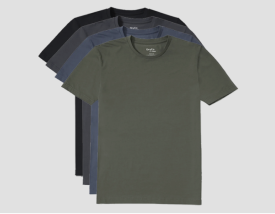
Use a proper base layer: A well-fitted, moisture-wicking undershirt designed for a taller torso pulls sweat off the skin before it reaches your outer shirt. This is often the single most effective change for managing back moisture discreetly.
Manage friction: If you are active or on your feet all day, treat your back like any other high-friction zone. Smooth layers reduce irritation and lower the risk of rashes over time.
Rethink backpacks:
● Look for suspended mesh panels
● Loosen straps to reduce pressure
● Pack lighter when possible
Even small airflow improvements matter.
When Back Sweating Might Need Medical Input
Most cases are environmental and clothing-related. Still, it is worth paying attention if sweating is:
● Sudden and unexplained
● Soaking sheets at night
● Paired with weight loss, fever, or dizziness
● Accompanied by unusual neurological symptoms
In those cases, a clinician can rule out conditions like hyperhidrosis or other underlying causes. For most tall men, the fix is simpler and far less dramatic.
Frequently Answered Questions
Why do tall men get back sweat more easily?
Taller frames often generate more heat and have more back surface area, so sweat shows faster, especially when airflow is blocked by chairs or backpacks.
How do I stop back sweat from showing through my shirt?
Start with a moisture-wicking base layer, then wear outer shirts in breathable fabrics that do not trap heat or cling.
Can back sweat cause a skin rash?
Yes. When sweat stays trapped and fabric rubs, it can irritate skin and trigger redness, itching, or rash over time.
Does my office chair make back sweat worse?
Often, yes. A solid chair back blocks airflow and traps heat against your spine, especially during long sitting sessions.
What fabric is worst for back sweat?
Thick cotton is a common culprit because it absorbs moisture and stays wet longer, which increases cling and discomfort.
Final Thought: The Tall Frame Runs Hot for a Reason
If you are tall, your body does more work just to exist in everyday spaces. More work creates more heat. More heat demands more cooling.
Back sweat is not a personal failure. It is a predictable response.
When posture improves, fabrics breathe, and moisture is managed at the base layer, the problem stops advertising itself. You stay comfortable. Your shirt stays clean. And the day becomes about what you are doing, not what your back looks like.
Shop Neat Apparel and stay comfortable from the first meeting to the last commute.


