
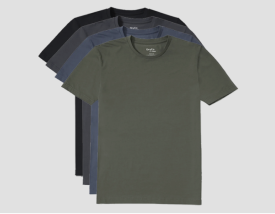


Most people do not regret a shirt because of the color. They regret it because it starts bothering them three hours into the day.
It clings on the commute. It feels stiff after lunch. It wrinkles in the car. It gets warm too fast, or it never quite settles on the body the way it did in the fitting room.
That is usually not a style problem. It is a fabric problem.
If you want clothing that can handle meetings, movement, temperature changes, and long hours without becoming a distraction, fabric choice matters more than most people realize. The right one disappears into the background. The wrong one keeps asking for attention.
What All-Day Comfort Actually Requires
A fabric that works for ten minutes is easy to find. A fabric that still feels good at hour ten is a different story.
For all-day wear, the material needs to do a few things well at the same time:
● let heat escape
● manage moisture without feeling sticky
● move naturally with the body
● recover after sitting, walking, and repeated wear
● survive regular washing without losing shape
That last point matters more than people think. Clothing for daily life is not judged only by first wear. It is judged by whether you want to keep reaching for it.
This is one reason many people end up building around a smaller set of reliable pieces. A strong men’s capsule wardrobe usually depends less on trend and more on materials that hold up under real use.
Natural Fibers Still Matter
Natural fibers remain popular because many of them simply feel good against the skin. They often offer the kind of comfort people notice immediately, especially during long wear, changing temperatures, or lower-stress daily routines.
They also tend to age in a more familiar way, becoming softer over time rather than feeling stiff, slick, or overly technical.
Cotton
Cotton is familiar for a reason. It is soft, breathable, and easy to wear in everyday settings.
A well-made cotton shirt can work beautifully for low to moderate activity, especially in lighter constructions. But cotton has limits. It absorbs moisture and can stay wet longer than expected, especially in humidity.
That does not make cotton bad. It just means it performs best when the weave, fit, and daily conditions match the job.
Linen
Linen is one of the best options for hot days because it releases heat quickly and allows strong airflow. It also tends to feel less swampy than cotton once moisture shows up.
The tradeoff is wrinkle behavior. Linen creases easily. For some people, that is part of the appeal. For others, it means choosing a linen blend instead of pure linen.
Wool
Fine wool, especially merino, is not just for cold weather. It regulates temperature well, resists odor, and can stay surprisingly comfortable across changing conditions.
That makes it useful for travel, long workdays, and layered wear where temperatures shift throughout the day.
The Rise of Better Everyday Alternatives

Some of the best daily fabrics now sit somewhere between natural and synthetic performance.
Advanced Polyester and Spandex Blends
Some of the most practical all-day fabrics are blends of advanced polyester and spandex. When done well, they combine light structure, easier movement, and faster moisture handling without feeling overly sporty or synthetic.
These blends work especially well for long days because they tend to hold shape, resist wrinkles better than many natural fibers, and stay more consistent as your body temperature changes. The key is balance. A good blend should feel smooth and flexible, not rubbery or shiny. When the construction is right, it gives you comfort, recovery, and a cleaner look through repeated wear.
Modal and Lyocell
These fabrics are popular because they feel soft, drape well, and often behave more predictably than lower-end cotton or rayon. They are especially strong in clothing meant to feel smooth for long hours.
Bamboo-Based Blends
These can feel gentle and breathable, especially for people who care a lot about skin feel. As always, the blend and construction matter more than the buzzword on the label.
The best versions feel easy, not slippery. Soft, not weak.
Why Blends Often Win Real Life
Pure fibers sound simple, but blends are often what make clothing work better day to day.
A cotton-poly blend can wrinkle less and dry faster. A wool blend can improve durability. A small amount of elastane can make movement easier without changing the look too much.
That is where stretch fabric earns its place. Not because everything needs to feel athletic, but because daily life includes sitting, reaching, commuting, carrying, and constant small movement. A little stretch can make a shirt or pant feel much more forgiving across a long day.
The key is balance. Too much stretch can make a garment feel synthetic or unstable. The right amount just makes it easier to live in.
Why Fit and Fabric Work Together
Even a great fabric can fail if the fit is wrong.
A tight shirt traps heat faster. A very loose shirt can bunch, shift, and lose shape through the day. A fabric that drapes well but has no structure may feel comfortable for an hour and sloppy by afternoon.
This is why the best comfortable clothes usually hit the middle. Enough structure to stay presentable. Enough softness and airflow to stay easy.
Fabric does not work alone. It works with fit, construction, and how you actually spend your day.
Choosing by Situation, Not Just Fiber

The best fabric is not universal. It depends on what your day looks like. A shirt that feels great for a short coffee run may not hold up through a commute, a full workday, and dinner afterward.
The right choice comes from matching the fabric to your routine, your climate, and how much movement, sitting, or heat your day includes.
For work and long office days
Look for fabrics that hold shape without trapping heat. High-quality cotton, lyocell blends, lightweight wool blends, and structured knits all work well here.
You want something that still looks composed after sitting for hours and moving through different temperatures.
For travel and commuting
Travel fabrics need to handle friction, long sitting periods, and temperature swings. They should resist wrinkles, stay comfortable when you warm up, and not become high-maintenance halfway through the day.
This is why many people gradually build around a few minimalist shirts that travel well, layer well, and do not ask for much. Simpler pieces often work harder.
For weekends and flexible casual wear
Here, breathability and ease usually matter most. Linen, cotton, softer blends, and easy drape fabrics work well when the schedule is less formal but the day is still long.
How to Shop Smarter Without Overthinking It
If you are shopping in person, use simple checks:
● Does the fabric feel soft or plasticky?
● Does it drape or fight itself?
● Does it crease immediately when scrunched?
● Does it feel like something you would choose on a long day?
If you are shopping online, look for:
● exact fiber percentages
● care instructions
● knit or weave type
● fit notes
● any mention of weight or structure
Specific fabric information is usually a good sign. Vague descriptions usually are not.
Frequently Answered Questions
What is the best fabric for all-day wear?
There is no single best option, but high-quality cotton, linen blends, merino, lyocell, and balanced performance blends are all strong depending on your climate and routine.
Why do some shirts feel uncomfortable after a few hours?
Usually because the fabric traps heat, holds moisture, wrinkles too easily, or does not move well with the body.
Are natural fabrics always better than blends?
Not always. Natural fibers can feel great, but blends often improve durability, wrinkle resistance, and movement for everyday wear.
How much stretch should everyday clothing have?
A little is often enough. Light stretch improves comfort and movement without making the garment feel overly synthetic.
What makes a shirt good for long workdays?
Breathability, shape retention, easy movement, and fabric that still looks presentable after sitting, walking, and wearing it for hours.
Final Thoughts
Choosing fabrics for all-day wear is really about choosing fewer problems.
The right material helps regulate heat, handle movement, stay presentable, and hold up over time. It supports your day instead of interrupting it.
That is why the best everyday wardrobe is not built only around color or trend. It is built around fabrics you trust. Fabrics that still feel right after the commute, after the meeting, after the extra hour you did not plan for.
When that part is right, everything else gets easier.
Shop Neat Apparel for sweat-smart essentials built to stay comfortable, hold their shape, and keep working long after most shirts give up.


