


Most people think sweating is simple. Get warm, cool down, move on. But when sweat shows up suddenly, comes in waves, or appears at moments that make zero sense, your body might be whispering something important. Hormones can shift your internal thermostat in ways that feel confusing and uncomfortable, and for many people, that shift leads to excessive sweating.
The Science of Hormonal Sweating
Your temperature control system starts in the hypothalamus, the brain’s built in thermostat. When everything is balanced, it keeps you comfortable without much effort. But hormones have a direct line to this part of the brain, and even small hormonal shifts can make the hypothalamus think you are overheating.
When that happens, your body hits the cool down button fast. Blood vessels open. Sweat glands activate. Suddenly, you are sweating even though the room is cool or you are barely moving. These moments are what many describe as hot flashes, night sweats, or sudden waves of warmth that feel impossible to predict.
Some of the most common hormonal triggers include drops in estrogen, low testosterone, shifts in progesterone, thyroid changes, or elevated cortisol. Each of these affects heat production, blood flow, and the sensitivity of your sweat glands.
Symptoms That Suggest Sweating Is Hormone Related
 Hormonal sweating often feels different than regular heat or workout sweat. You may notice:
● Intense or sudden sweating: Moisture appears quickly, especially on the face, chest, palms, armpits, or feet.
● Night sweats: Sweat-soaked sheets, interrupted sleep, or overheating even with lightweight bedding.
● Hot flashes: Short bursts of heat paired with flushing or a prickling sensation.
● Flushing or redness: Skin, especially around the chest and neck, feels warm or appears blotchy.
● Higher body temperature: A mild spike that makes everyday situations feel hotter than they really are.
● Rapid heartbeat or shakiness: Often the warning sign before a sweating episode begins.
When these symptoms appear out of nowhere or become consistent, hormones are often involved.
Life Stages and Conditions Linked to Hormonal Sweating
Hormonal shifts can appear throughout adulthood, and each stage brings its own pattern of sweating.
Perimenopause and Menopause
As estrogen levels dip, the hypothalamus becomes extra sensitive. It interprets tiny shifts in temperature as overheating. This is why many women experience hot flashes, flushing, and unpredictable night sweats. These episodes can last for months or years and vary widely from person to person.
A breathable base layer like a sweat proof undershirt can help keep moisture controlled and your outer layers dry during these swings.
Pregnancy and Postpartum Changes
During pregnancy, higher progesterone and a faster metabolism naturally raise your body temperature. Sweating helps prevent overheating and is considered healthy. After delivery, estrogen drops sharply, which is why many new parents deal with persistent night sweats.
PMS and PMDD
As estrogen drops and progesterone rises during the menstrual cycle, your basal temperature climbs. Many people notice heat sensitivity, dampness at night, or mild hot flashes before a period begins.
Hyperthyroidism
An overactive thyroid speeds up your metabolism, generating more heat. That heat forces your sweat glands to work harder. People with hyperthyroidism often feel warm even in cool weather and sweat more frequently.
Low Testosterone in Men
Testosterone influences the hypothalamus, too. When levels get low, the body may trigger sweat responses even when the temperature is stable. Night sweats and daytime flushing can appear gradually.
High Cortisol
Cortisol spikes during stress or sleep disruption can activate your body’s fight or flight mode. This leads to rapid heartbeat, anxiety, and increased sweating, especially at night.
Trauma and Hormone Disruption
Trauma can change the way the brain regulates hormones. This includes disruptions in the hypothalamus and gut related issues that may increase sweating during early morning hours.
Managing Hormonal Sweating: What Helps

Understanding the root cause matters. A healthcare professional can help identify whether hormones are the driver and what treatment might be appropriate.
Here are common strategies that support comfort and stability:
● Targeted Hormone Therapies: Hormone replacement therapy, testosterone therapy, or medications that regulate thyroid or cortisol levels may help reduce symptoms.
● Non Hormonal Medications: Certain antidepressants, anticonvulsants, or prescription treatments for flushing and sweating may ease symptoms when hormones cannot be treated directly.
● Supplements: Some vitamins and minerals support temperature regulation or hormone balance. Always consult a clinician before starting anything new.
● Lifestyle Adjustments: Small lifestyle changes can make a big difference. Keep your bedroom cool, use breathable bedding, stay hydrated, and reduce alcohol and spicy foods. Maintain regular activity levels and practice stress-reducing routines like stretching or meditation to help manage hormonal sweating.
Neat’s Clothing Solutions for Managing Hormonal Sweating
This is where Neat Apparel comes in. The right base layer can make your day much easier.
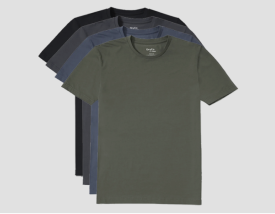
A sweat proof undershirt or hyperhidrosis undershirt pulls moisture away from the skin, hides sweat rings, and keeps your outer layers completely dry. When hormones push your body temperature up, a reliable base layer keeps the situation controlled so you stay confident and comfortable. Clothing for hyperhidrosis also reduces odor, prevents clingy fabric moments, and gives you a stable foundation no matter what your body is doing.
Frequently Asked Questions
Can hormonal sweating feel different from regular heat or exercise sweat?
Yes. Hormonal sweating often comes in sudden waves without a clear trigger. You might be sitting still, sleeping, or even in a cool room when your body suddenly decides it is overheating. This type of sweat is usually more intense and may be paired with flushing, a racing heartbeat, or nighttime overheating.
How do I know if my sweating is caused by hormones or something else?
Patterns tell the story. If your sweating lines up with menstrual shifts, pregnancy, menopause, sleep changes, high stress, or symptoms like fatigue or weight changes, hormones may be involved. A clinician can confirm with lab tests, but tracking when the sweating appears is a helpful first step.
Will hormonal sweating go away on its own?
Sometimes. Hormonal sweating during pregnancy, postpartum, PMS, and early menopause often improves as hormones rebalance. Conditions like thyroid disorders or low testosterone usually require treatment.
Can clothing really make a difference for hormonal sweating?
Absolutely. When hormones cause body heat to spike, moisture builds fast. Clothing for hyperhidrosis, including a well designed hyperhidrosis undershirt, pulls sweat away from the skin, blocks visible sweat marks, and keeps your outer clothes dry. It gives you control even when your hormones are unpredictable.
Should I be worried if I only sweat excessively at night?
Night sweats are very common with hormonal changes, especially during menopause, postpartum recovery, thyroid disorders, or high cortisol levels. While often harmless, persistent night sweats that disturb sleep or come with fever, weight loss, or fatigue should be evaluated by a healthcare professional.
Final Takeaway
Hormonal sweating is not random and it is not your fault. Hormones have a powerful influence on temperature and sweat gland activity, and even subtle changes can create big reactions. Whether the trigger is menopause, pregnancy, thyroid imbalance, low testosterone, or stress, the goal is simple: understand what your body is telling you and support it with the right tools.
With medical guidance, smart lifestyle habits, and moisture managing clothing like a hyperhidrosis undershirt, you can stay dry, cool, and in control even on your most unpredictable days.
Stay dry. Stay comfortable. Choose Neat.


