


Waking up in damp sheets during your period can feel frustrating, uncomfortable, and exhausting. One night you fall asleep feeling fine. A few hours later, you are overheated, sweaty, and wide awake. This experience is common, even though it is talked about far less than menopause-related sweating.
Night sweats during your period are real. They are driven by hormonal changes, amplified by stress, diet, and sleep conditions, and often made worse by clothing or bedding that traps heat. Understanding what is happening inside your body is the first step toward getting drier, more consistent sleep.
What is Night Sweat?
Night sweats are episodes of excessive sweating that occur during sleep and are intense enough to soak clothing or bedding. This is not the same as feeling a little warm under heavy blankets. These sweats are triggered internally, not by the room temperature alone.
They are closely related to hot flashes, which are sudden surges of heat that can happen day or night. When that surge wakes you from sleep and leads to heavy sweating, it is typically classified as a night sweat.
Many people report sweating most heavily through the chest, back, neck, and abdomen. Some wake up feeling dehydrated, foggy, or unrested, even if they slept for several hours. While night sweats are usually harmless, they can seriously disrupt sleep quality and recovery.
What Causes Night Sweats During Your Period?
The primary driver of period-related night sweats is hormonal fluctuation, specifically changes in estrogen and progesterone. These hormones play a direct role in how your brain regulates body temperature.
Estrogen and Progesterone Shifts
In the days leading up to your period and during menstruation, both estrogen and progesterone levels drop.
Progesterone naturally raises your baseline body temperature slightly after ovulation. When progesterone levels fall, your body reacts by activating cooling responses, including sweating.
Estrogen helps stabilize your internal temperature by keeping your brain’s thermostat flexible. When estrogen levels drop, your thermoregulation becomes more sensitive. Small temperature changes suddenly feel significant, and your brain may trigger sweating even without a true rise in body heat.
The result is an exaggerated cooling response. You sweat heavily at night, even though your core temperature has barely changed.
Other Physical Contributors
Hormones are the main trigger, but they are not acting alone.
● Metabolism can increase slightly during menstruation, generating more internal heat
● Blood flow increases in the pelvic region, raising overall warmth
● Pain from cramps can elevate stress hormones, which also raise body temperature
These factors stack together, especially at night when your body is trying to rest and recover.
Why Night Sweats Can Feel Worse Some Months
Hormonal changes set the stage, but lifestyle factors often decide how intense night sweats become.
Stress and Nervous System Activation
Stress activates the body’s fight-or-flight response. Heart rate rises. Blood vessels widen. Heat increases.
When estrogen dips before your period, serotonin levels may also drop. This can affect mood, sleep quality, and temperature regulation, making sweating more likely at night.
Blood Sugar Fluctuations
Low blood sugar during sleep can trigger sweating. Diets high in refined carbohydrates or late-night sugar can contribute to these drops. Even without diabetes, blood sugar instability can worsen night sweats.
Diet, Alcohol, and Medication
Certain triggers increase heat production or interfere with temperature control.
● Spicy foods
● Alcohol, especially in the evening
● Caffeine late in the day
● Some antidepressants, steroids, hormone therapies, and pain medications
These do not cause night sweats on their own, but they can amplify symptoms during your cycle.
When Night Sweats Signal Something More
Most period-related night sweats are normal. However, persistent or severe symptoms can point to other conditions.
● Endometriosis can disrupt hormonal balance and trigger hot flashes
● Thyroid disorders can raise metabolism and heat output
● Infections, even mild ones, can cause nighttime sweating
● Perimenopause often begins earlier than expected and increases sweating frequency
If night sweats are severe, ongoing, or paired with unexplained weight loss, fever, or irregular cycles, it is worth speaking with a healthcare provider.
How to Reduce Night Sweats and Sleep More Comfortably During Periods

You cannot control hormone fluctuations, but you can control how your body handles heat at night. Small adjustments add up and often make the biggest difference.
Build a Cooler Sleep Environment
A cooler bedroom helps your body regulate temperature more efficiently during sleep. Lower the thermostat slightly, use a fan for gentle air movement, and choose lightweight, breathable bedding. Layered blankets work best, since they let you adjust warmth without trapping heat.
Wear Clothing That Manages Sweat, Not Just Heat
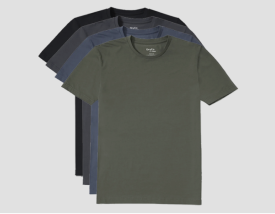
What you wear to bed affects how sweat behaves overnight. Cotton absorbs moisture and stays damp. Many synthetics trap heat. A moisture wicking undershirt or sleep layer pulls sweat away from the skin so it can evaporate instead of pooling. For heavier torso sweating, sweat blocking shirts or a sweat proof undershirt using Neat sweat proof technology help limit sweat transfer without overheating. The right base layer can be the difference between waking up soaked and sleeping through the night.
Adjust Evening Habits
Evening routines influence nighttime temperature. Stay hydrated during the day, but reduce fluids close to bedtime. Avoid alcohol, caffeine, and spicy foods in the evening, as they can trigger heat and sweating. Exercise earlier in the day and wind down at night with calming routines like light stretching, breathing, or meditation to help your nervous system settle.
Medical and Supplement Options
If lifestyle changes are not enough, additional support may help. Some people benefit from nutrients like magnesium, calcium, or vitamin B6. Soy foods may reduce hot flashes due to their phytoestrogen content. In more severe cases, medications prescribed by a healthcare provider can help reduce night sweats. Always consult a professional before starting supplements or treatments.
When to Talk to a Doctor
Consider professional guidance if:
● Night sweats regularly soak sheets or clothing
● Sleep disruption is affecting daily life
● Symptoms worsen or appear outside your cycle
● You are under 40 and experiencing menopause-like symptoms
● Night sweats come with fever, weight loss, or other unexplained changes
Frequently Asked Questions
Are night sweats during my period normal?
Yes. Night sweats are common before and during menstruation due to drops in estrogen and progesterone. These hormonal shifts make your body more sensitive to temperature changes, which can trigger sweating during sleep.
Why do night sweats feel worse at night than during the day?
At night, your body naturally lowers its core temperature to support sleep. Hormonal fluctuations can interfere with this process, causing your cooling system to overreact. That is why sweating often feels more intense once you are asleep.
Can stress make period night sweats worse?
It can. Stress activates the nervous system and raises body temperature. When combined with hormonal changes during your cycle, this can increase the frequency and intensity of night sweats.
Does what I wear to bed actually make a difference?
Yes. Fabrics that trap heat or stay wet can worsen discomfort. A moisture wicking undershirt or sweat proof undershirt helps pull sweat away from your skin and limits that soaked, chilled feeling that wakes many people up at night.
Are night sweats a sign of early menopause?
Not always. While perimenopause can cause night sweats, many people experience them during regular menstrual cycles. If symptoms are severe, persistent, or paired with irregular periods or other changes, it is worth discussing with a healthcare provider.
The Bottom Line
Night sweats during your period are common, hormone-driven, and real. Estrogen and progesterone shifts narrow your body’s comfort zone, making your cooling system overreact at night.
While you cannot stop hormonal changes, you can reduce their impact. Cooling your sleep environment, managing stress, adjusting diet, and choosing clothing that works with your body all help.
A breathable base layer, whether a moisture wicking undershirt or a sweat proof undershirt designed with sweat containment in mind, can support more consistent sleep during your cycle.
Better sleep does not require perfection. It requires the right tools, working quietly in the background, so your body can rest.
Manage Night Sweats Smartly. Shop Neat Apparels.


