
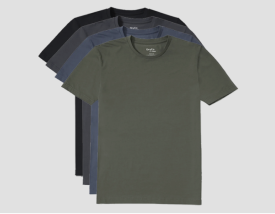


Staying comfortable in warm conditions is rarely about one big decision. It is usually a series of small ones that add up. Fabric weight. Fit. Color. And one detail most people overlook entirely until they feel sticky and distracted halfway through the day: the neckline.
The opening around your neck plays a quiet but meaningful role in how heat escapes, how sweat dries, and how much your shirt clings when temperatures rise. A neckline is not just aesthetic. It changes airflow at one of the body’s most heat-sensitive zones and influences whether sweat evaporates or lingers.
Understanding how different necklines behave helps you choose smarter layers, especially when you need to look composed while dealing with real-world heat.
Why the Neck Is a Heat Bottleneck

Sweat only cools the body when it evaporates. If moisture stays trapped against the skin, the cooling effect stalls and discomfort builds.
The neck, upper chest, and back of the collar are especially sensitive because they contain a high concentration of thermal receptors. Small changes here can shift how hot you feel, even if your overall body temperature stays the same.
A neckline affects:
● How easily warm air escapes upward
● How quickly sweat dries near the collar
● Whether fabric sticks or lifts when you move
That is why two shirts made from the same material can feel very different depending on how open or restrictive the neckline is.
The Practical Difference Between Crew and V Shapes
When people compare v neck vs crew neck, the real distinction is not style. It is ventilation.
A crew neckline relies on coverage.
A V shape relies on exposure.
Neither is automatically better. Each manages heat in a different way.
The Crew Neck: Structure First, Venting Second

Crew necks sit high and close to the base of the neck. They are familiar, stable, and visually clean.
How crew necks handle heat:
● The higher collar creates a warm pocket around the neck
● Sweat often collects where fabric meets skin first
● In humid conditions, the collar can cling, especially at the back
That does not mean crew necks are “hot” by default. A relaxed opening, lightweight fabric, and proper fit can keep them comfortable even in warm weather.
When crew necks make sense:
● You want a classic, understated look
● You need coverage for sun or friction
● You are layering under jackets where the collar will not show
● You prefer a neckline that looks consistent on camera
If you choose a crew in heat, the rule is simple: the collar should rest, not grip. Any neckline that leaves pressure marks will trap warmth faster.
The V-Neck: Controlled Exposure, Better Airflow

A V-neck lowers the opening and exposes part of the upper chest and throat. That small change creates a release point for heat.
Why V-necks often feel cooler:
● Warm air escapes more easily from the collarbone area
● Sweat near the neck evaporates faster
● Fabric is less likely to cling during movement
This is why v-neck and crewneck undershirts is a real consideration, not a styling debate. Under a button-down, a V shape stays hidden while improving airflow.
That makes it especially useful in professional settings where visible sweat or layered collars become distracting.
A note on depth
A functional V is shallow and intentional. It should sit above the midpoint of the chest and disappear under an open collar. Deep cuts trade comfort for distraction and rarely work outside casual settings.
Necklines, Sweat, and Mental Load
Discomfort does not stay physical. It becomes mental.
When sweat builds at the collar, people adjust constantly. Tugging. Fidgeting. Avoiding certain movements. That low-grade distraction often overlaps with sweating and anxiety, especially in social or work environments where composure matters.
A neckline that dries faster reduces that feedback loop. Less awareness of sweat means more attention where it belongs.
Fabric Still Does Most of the Work
Neckline helps, but fabric decides the outcome.
A V-neck in a heavy, non-breathable knit will still feel suffocating. A crew neck in a light, well-ventilated fabric can feel surprisingly comfortable.
In warm conditions, look for:
● Lightweight cotton with an open knit
● Linen or linen blends for airflow
● Performance fabrics designed to move moisture outward
● Lightweight merino for travel and long wear
Avoid thick, tightly woven materials that hold moisture near the collar.
Fabric weight matters too. Many people find comfort in the 160–185 GSM range for warm-weather shirts. Heavy enough to hold shape. Light enough to breathe.
Fit Can Cancel Out a Good Neckline
Even the best neckline fails if the fit is wrong.
Heat builds faster when:
● The collar presses into the throat
● The chest area is stretched tight
● There is no air gap for evaporation
A heat-friendly fit should allow:
● Easy movement without pulling
● A relaxed neckline that rests naturally
● Clean shoulder alignment without tension
A slightly relaxed cut often looks more intentional than a tight one, especially in warm weather.
Choosing the Right Neckline by Setting
Use context, not rules.
● Office or formal layers: A V-neck base layer stays hidden and improves airflow
● Casual wear: A wide or relaxed crew keeps the look classic without trapping heat
● High heat or travel days: A shallow V in a breathable fabric dries fastest
● Crowded or high-stress environments: Prioritize comfort near the neck to reduce distraction
For people dealing with excessive sweating around the head and neck, these small choices matter even more. While conditions like Axillary Hyperhidrosis often focus on underarms, overall heat management still plays a role in perceived comfort.
Frequently Asked Questions
Is the difference between crew neck and V-neck noticeable in real life?
It can be. In humid rooms, long commutes, or crowded settings, small ventilation changes near the neck add up.
Are V-neck undershirts better for professional outfits?
They usually are. A V-neck stays hidden under an open collar while improving airflow and reducing collar cling.
Can a crew neck still work in hot weather?
Yes. Choose a wider opening, lighter fabric, and relaxed fit so heat does not get trapped at the neckline.
Why does sweat collect at the back of the neck?
That area traps heat and fabric contact. Tight collars limit evaporation, which lets moisture linger.
Does neckline choice affect sweat-related anxiety?
Indirectly, yes. When sweat dries faster and fabric clings less, you are less aware of it throughout the day.
The Bottom Line
The difference between crew and V shapes is not dramatic. But it is real.
A more open neckline helps heat escape from a sensitive zone and reduces that sticky, trapped feeling around the collar. In many situations, that makes a V-neck feel calmer and easier to wear.
Still, neckline alone will not save a bad fabric or a tight fit.
Think in systems:
● Choose a neckline that fits the setting
● Pair it with breathable, moisture-smart fabric
● Keep the fit relaxed enough to let air move
When heat stops demanding your attention, everything else feels easier. That is the quiet advantage of getting the details right.
For warmer days, start with a sweat-proof base layer that stays hidden and helps sweat dry faster. Shop Neat.


