
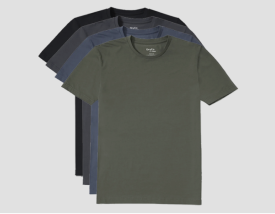


A baseball jersey is the symbol. The layer underneath is what decides whether you feel locked in or distracted for nine innings.
A good base layer does three things well. It manages sweat, reduces friction, and keeps your jersey sitting clean on your body. For players, it is part of your uniform system. For fans, it is often the difference between enjoying the day and constantly adjusting your shirt in the stands.
This guide breaks down how to choose the right under-layer for performance, comfort, and simple style. You will also get seasonal tips, fit rules, and care basics so your gear stays sharp.
Why the Under-Layer Matters More Than Most People Think
Most jerseys are made from durable synthetics and mesh blends. They hold up well, but they can feel rough, clingy, or cold once damp. Wearing one directly on skin is where the discomfort starts.
A solid base layer helps because it:
● creates a smooth barrier between skin and jersey
● reduces rubbing at seams during throwing and swinging
● keeps sweat from soaking into the jersey fabric and trim
That last part matters more than fans realize. A jersey that absorbs sweat and body oils will hold odor faster. It will also need more washing, which shortens the life of patches, prints, and stitching.
What Players Should Wear Under a Baseball Jersey

On-field comfort is not about “staying dry.” It is about staying stable. When your base layer rides up, sticks, or chafes, your focus drifts.
That is why most players lean on moisture wicking undershirts instead of cotton. Cotton absorbs sweat, gets heavy, and stays damp. That dampness can turn into friction, and friction turns into constant adjustment.
Compression vs Non-Compression
Compression can feel supportive, especially late in games. But it should never restrict movement.
A good fit means:
● snug through the torso without choking the neck
● full shoulder rotation without pulling
● sleeves that stay in place without cutting circulation
If it leaves deep marks or limits your swing mechanics, it is too small.
Short Sleeve vs Long Sleeve
Sleeve length is more strategic than people think.
● Hot and humid: lightweight short sleeve or sleeveless base layer
● Sunny and hot: thin long sleeve for sun coverage
● Cooler games: midweight long sleeve for warmth and consistency
Long sleeves can also reduce turf abrasion and keep your throwing arm feeling consistent.
The Ballpark Answer: What to Wear Under a Baseball Jersey as a Fan

Fans are not sliding into second base, but stadium days are still a sweat test. Heat, sun, long walks, and metal seats that feel like an oven by 2 PM.
If you want a simple rule: choose a base layer that feels smooth, stays light, and helps your jersey drape cleanly.
Popular options include:
● a thin fitted tee for a clean silhouette
● a tank for maximum airflow in humidity
● a lightweight hoodie for night games
● a classic 3/4 sleeve for the traditional baseball look
This is also where the common question shows up: what to wear under a baseball jersey if you want to protect it. If you collect jerseys or just do not want to wash yours often, a base layer helps keep sweat and deodorant off the jersey itself.
Player vs Fan: Baseball Undershirt Comparison
|
Feature |
Players |
Fans |
|
Primary goal |
Performance and comfort |
Comfort and jersey protection |
|
Fit preference |
Snug or compression |
Slim or relaxed |
|
Fabric priority |
Moisture control and stretch |
Breathability and softness |
|
Sleeve choice |
Short, long, or sleeveless based on conditions |
Tee, tank, hoodie, or 3/4 sleeve |
|
Sweat exposure |
High and continuous |
Moderate but prolonged |
|
Jersey care focus |
Function first |
Longevity and appearance |
Why Some People Sweat More Than Others
Sweating is not just about heat. It is also about biology and environment.
Why do some people sweat more than others comes down to factors like:
● genetics and the number of active sweat glands
● fitness level and heat acclimation
● hormones and metabolic rate
● certain medications or stimulants
● stress response and nervous system activation
Two people can wear the same jersey in the same weather and have completely different results. That is normal. It is also why “one perfect shirt” does not exist for everyone.
Anxiety and Sweating: When It’s Not Just the Weather
Some sweat is physical. Some sweat is situational.
Anxiety and sweating often show up when your nervous system shifts into a higher alert state. Meetings, tryouts, travel days, or being in a crowded stadium can all trigger it. You may not feel hot, but your body acts like it is.
That is where your base layer earns its spot. When sweat becomes visible or uncomfortable, it adds mental noise. You start checking yourself. You adjust your jersey. You lose focus.
A better under-layer does not stop stress from happening. It simply reduces the chance that stress turns into a visible problem.
Choosing the Right Undershirt for Baseball
If you are buying an undershirt for baseball, prioritize function first. Style comes after.
Here is what actually matters:
● Fabric that stays light when wet: Look for synthetic blends built to move moisture instead of holding it. The goal is comfort, not a soaked shirt by the third inning.
● Smooth seams and low friction: Flat seams matter. Rough stitching is one of the fastest ways to end up with irritation on the sides, underarms, or shoulders.
● Fit that stays put: A base layer should not ride up during swings or twist under your jersey. If it moves, you will spend the game adjusting.
● Neckline that works with your jersey: Crew neck is the safest. V-neck can stay hidden if you wear your jersey more open. Mock neck is common for players who like a tighter collar feel.
Seasonal Layering That Doesn’t Get Heavy
Baseball seasons stretch across temperature swings, especially if you travel.
● Cold games: wicking base layer + midweight long sleeve
● Mild weather: breathable base layer, optional light compression
● Hot weather: lightweight base layer only
● Rainy days: wicking base layer + protective outer layer
Avoid heavy cotton in cold weather. If it gets wet, it can make you colder and stiffer.
Fit and Jersey Etiquette
Jersey fit changes everything. A slim jersey needs a thinner base. A looser throwback jersey gives you more options.
General rule: The tighter the jersey, the thinner and smoother the base layer should be.
Players usually tuck jerseys for official games. Fans typically do not. Either works. Just make it look intentional.
Care Tips: Keep the Base Layer Sharp
Your base layer takes the brunt of sweat. Wash it after every wear.
For performance fabrics:
● wash cold, gentle cycle
● skip fabric softener
● air dry to preserve stretch and performance
For jerseys:
● turn inside out
● cold water, gentle cycle
● air dry only
● avoid heat to protect numbers, patches, and stitching
Storage matters too. Never store a jersey damp. Let it fully dry, then hang or fold neatly.
FAQs About Baseball Undershirts
What is the best undershirt for baseball?
A lightweight undershirt that manages sweat, reduces friction, and stays in place during movement works best for baseball.
What should I wear under a baseball jersey?
Most players and fans choose a fitted base layer that feels smooth against skin and keeps sweat from soaking into the jersey.
Are moisture wicking undershirts better than cotton for baseball?
Yes. Moisture wicking undershirts move sweat away from the skin, while cotton absorbs it and stays damp.
Can anxiety cause more sweating during games or events?
Yes. Anxiety and sweating are closely linked. Stress can trigger sweat even without heat or physical exertion.
Do fans really need an undershirt under a jersey?
It is not required, but an undershirt improves comfort and helps protect the jersey from sweat, odor, and frequent washing.
Final Takeaway
The jersey gets the attention. The layer underneath decides how the day feels.
For players, the right base layer supports movement, reduces irritation, and keeps comfort consistent through long innings. For fans, it helps with comfort, sweat control, and keeping a jersey wearable for years.
Choose the base layer the same way you choose the jersey. With intention. One good under-layer can change the entire experience from first pitch to last out.
Baseball is demanding. Your base layer shouldn’t be. Start with a sweat-proof undershirt designed to keep sweat off your jersey. Shop Neat undershirts.


