


Modern business casual lives in the space between polish and performance. For most professionals, the workday no longer ends at five. It stretches through early meetings, commuting heat, mid-day calls, and evening dinners. Dressing for that reality requires more than good taste. It requires a system that works under pressure.
The goal is simple. Look intentional at 9 a.m. Stay composed at 7 p.m. And avoid fighting your clothes along the way.
How to Build a Business Casual Wardrobe for Long Workdays
A strong business casual wardrobe is not about owning more. It is about owning fewer pieces that work harder. Fit and fabric matter more than variety. Every item should earn its place by performing across multiple settings without adjustment.
If a piece only works for one moment, it is not built for long days.
Why Proper Fit Matters in Business Casual Clothing
Fit is the first signal people read. Before fabric. Before color. Before the brand.
Shirts should sit clean at the shoulders and taper slightly at the waist. Not tight. Not loose. Trousers should sit comfortably at the natural waist and break lightly at the shoe. Jackets should allow movement without pulling. Collars should lie flat. Sleeves should show restraint.
Good fit communicates control. It removes visual noise. And it keeps you comfortable through sitting, standing, walking, and heat changes.
Best Fabrics for Business Casual When You Work Long Hours
Fabric determines whether your outfit lasts the day or collapses halfway through it.
Long hours mean temperature swings. Outdoor commutes. Overcooled offices. Warm conference rooms. Your clothing has to manage that.
● Cotton and Cotton Blends: Reliable and versatile. Long staple cotton with a touch of stretch holds shape and breathes well.
● Performance and Stretch Fabrics: Modern workwear fabrics resist wrinkles, move with your body, and manage moisture. Ideal for travel heavy schedules.
● Linen and Linen Blends: Best for summer. Lightweight and breathable. Linen cotton blends reduce wrinkling while keeping airflow.
● Merino Wool: Excellent for sweaters. Regulates temperature and resists odor. Ideal for back to back meetings.
● Technical Knits: Used in polos and layering pieces. Stretch, breathability, and shape retention matter when you are wearing something all day.
Fabric should work quietly in the background. If you notice it, something is wrong.
Why the Right Undershirt Matters for Business Casual Outfits

This is where most wardrobes fail.
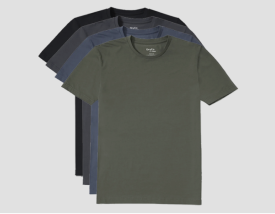
Even the best shirt breaks down if sweat shows through or heat builds underneath. A sweat proof undershirt solves that problem before it starts. It protects your outer layers, manages moisture at the source, and keeps your silhouette clean.
A moisture wicking undershirt pulls sweat away from your skin so it can evaporate instead of soaking your shirt. This matters most during long days when stress, movement, and temperature changes stack up.
The right base layer is invisible. But it determines whether the rest of your outfit survives the day.
Essential Business Casual Clothing That Transitions All Day
Business casual essentials should move effortlessly from meetings to evenings without outfit changes. Focus on versatile pieces that layer cleanly, hold their shape, and stay comfortable through long hours of wear.
Shirts and Polos
The OCBD remains the backbone of business casual. Structured enough for meetings. Relaxed enough for late afternoons. Stick to white, light blue, and subtle patterns. Wrinkle resistance helps maintain shape.
Polos work when done right. Choose structured collars. Neutral colors. Minimal branding. Performance fabrics are especially useful on warm days or travel days.
Chinos, Denim, and Trousers
Chinos carry most business casual outfits. Navy, grey, olive, and beige rotate easily. Dark denim works in relaxed offices when clean and well fitted. No distressing. Stretch dress trousers handle formal moments without sacrificing comfort.
Layering Pieces That Elevate Business Casual Instantly
A tailored blazer instantly sharpens any outfit. Soft shoulders and unlined interiors improve comfort.
Fine gauge sweaters help manage office temperature swings. V necks pair well with button downs. Crewnecks keep things minimal. Merino zip necks work for travel days.
Layers should add flexibility, not bulk.
How to Adjust Business Casual for Different Office Dress Codes

Business casual is flexible by design, but it is never random. The key is knowing when to add structure and when to simplify, so your outfit matches the room without sacrificing comfort or control.
Modern Classic
Blazer, crisp button down, dress trousers.
This is your go-to for client-facing days, presentations, or leadership meetings. The blazer adds authority, while clean tailoring keeps the look sharp without feeling formal. A moisture wicking undershirt underneath helps manage heat and sweat so the outfit holds its shape from morning to evening.
Elevated Casual
Crewneck over a shirt or polo with chinos.
This works for most offices where professionalism and comfort need to coexist. The layered top adds polish without stiffness, and chinos keep the outfit grounded and versatile. A sweat proof undershirt keeps the look clean during long hours, especially in changing office temperatures.
Smart Alternative
Tucked button down with dark denim.
Ideal for creative, tech, or hybrid environments where suits feel out of place. Dark denim keeps the look intentional, while a well-fitted shirt avoids looking weekend casual. The right base layer prevents sweat from undermining an otherwise clean, modern silhouette.
Best Shoes for Business Casual When You’re on Your Feet All Day
Long days demand support.
Loafers work for desk to dinner transitions. Derbies provide structure. Chelsea boots travel well. Minimal leather sneakers only work when everything else is elevated.
Rotate shoes. Use quality insoles. Match belts to shoes.
Your feet notice shortcuts before anyone else does.
How to Stay Fresh and Professional Through a Long Workday
Looking sharp at the start of the day is easy. Maintaining it through hours of meetings, movement, and temperature shifts takes planning.
Wrinkle-resistant fabrics help your clothes recover after sitting or commuting. Grooming completes the picture. Clean hair, trimmed facial hair, and polished shoes signal intention even when the day runs long.
Small refresh tools make a difference. Face wipes, mints, and deodorant handle quick resets, but the biggest upgrade is underneath. A moisture wicking undershirt manages sweat before it reaches your shirt, while a sweat proof undershirt prevents visible transfer. When your base layer works properly, you stay composed without needing constant fixes.
Common Business Casual Mistakes to Avoid at Work
Business casual still has boundaries. Crossing them usually happens in small, avoidable ways.
Too much visual detail makes an outfit look casual fast. Extra pockets, zippers, contrast stitching, and loud patterns pull focus away from professionalism. Large logos and graphic elements distract from the role you are meant to represent.
Athleisure rarely belongs in business casual settings. Hoodies, joggers, and athletic shoes blur the line between off-duty and at-work. Shorts, even in warm weather, weaken authority and break visual balance.
Mismatched formality also creates friction. Pairing sneakers with dress trousers or wearing a hoodie under a blazer confuses the message. Always consider your commute, office temperature, and daily movement. Comfort should support your performance, not undermine your presence.
Frequently Asked Questions
Can business casual still look professional during long workdays?
Yes. The right fit, structured layers, and proper base layers keep business casual polished even after long hours.
What is the biggest mistake men make with business casual outfits?
Ignoring comfort and sweat control. When clothes overheat or wrinkle, the entire outfit breaks down.
Are undershirts necessary for business casual clothing?
A quality sweat proof undershirt or moisture wicking undershirt protects outer layers and keeps your look clean all day.
How many business casual outfits should I own for work?
Fewer than you think. A small rotation of versatile, well-fitting pieces covers most workweeks.
Does business casual change by industry?
Absolutely. Finance leans more structured, while tech and creative roles allow more flexibility with the same core principles.
Final Takeaway
Business casual is not about guessing. It is about building a system that supports long days without friction.
When fit is dialed in, fabrics are chosen with intent, and a sweat proof undershirt handles moisture quietly underneath, your wardrobe stops demanding attention. It starts supporting performance.
Dress once. Adjust nothing. Shop Neat’s Undershirt.


