


Casual workwear gives freedom. It also removes guardrails. Without intention, relaxed outfits drift fast from effortless to careless.
Looking sharp in a casual workplace is not about dressing up. It is about control. Fit. Fabric. Sweat management. When those are handled quietly, casual work outfits look confident instead of improvised.
What “Casual Work” Really Means Today
Casual work no longer means dressing down. It means dressing with restraint.
Modern casual offices expect clothing that feels relaxed without looking unfinished. The absence of a strict dress code does not remove expectations. It raises them. Without suits or uniforms, details carry more weight.
Casual work attire today sits between comfort and credibility. It avoids formal structure while still signaling awareness, discipline, and self-respect.
Work Casual vs Business Casual
Business casual still leans on structure. Collared shirts, dress shoes, and sharper silhouettes anchor the look. Casual workwear strips that back.
Casual work allows softer fabrics, lighter shoes, and simpler layers. What it does not allow is visible sweat, sloppy fit, or careless choices.
The Sharp Casual Mindset
Looking put together at work is not about formality. It is about intention.
Casual outfits feel sharp when every piece looks chosen, not defaulted. That mindset changes how clothes are selected. Comfort still matters, but performance and appearance matter just as much.
Sharp casual style prioritizes:
● Consistent fit
● Neutral, controlled colors
● Fabrics that behave under heat and movement
When intention is present, casual outfits read confident without trying.
Start Casual Outfit With the Base Layer

Casual clothing exposes problems faster than formal wear. Lightweight shirts show sweat. Softer fabrics cling. Once moisture breaks through, the outfit loses composure.
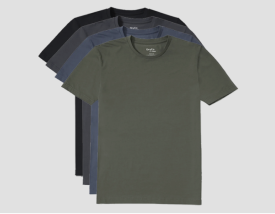
A sweat-proof undershirt keeps casual outfits clean and controlled by managing moisture before it becomes visible. It absorbs underarm sweat, stabilizes outer layers, and helps casual shirts hold their shape throughout the day.
This is where Neat Apparel sweat-proof undershirts quietly earn their place. They do not change how an outfit looks. They protect how it performs.
Casual Shirts That Still Read Professional
Casual work shirts should feel relaxed without looking incomplete.
Button-Downs for Casual Offices
Soft oxford and lightweight poplin button-downs work best. They keep structure while feeling approachable. Loud patterns and heavy textures tend to cheapen casual looks rather than elevate them.
Polos That Actually Look Sharp
Polos work when the collar holds its shape and the fabric does not cling. Fit matters more here than with most shirts. A moisture-wicking undershirt underneath keeps sweat from showing through lighter knits.
Overshirts and Casual Layers
Overshirts bridge the gap between shirt and jacket. They add structure without stiffness and work well in modern casual offices where flexibility matters.
Pants That Don’t Look Like You Gave Up
Pants are often where casual outfits fail.
Too loose reads lazy. Too tight reads forced. The goal is clean lines with room to move.
Tailored chinos and elevated five-pocket pants with stretch maintain their shape while staying comfortable. Neutral tones like navy, olive, and stone integrate easily into a casual rotation and keep outfits grounded.
Shoes That Anchor the Outfit
Shoes determine whether a casual outfit looks intentional or improvised.
Minimal leather sneakers, loafers with clean lines, and casual lace-up leather shoes sharpen relaxed outfits without pushing them into formal territory. Athletic sneakers and worn soles undermine even well-built looks.
In casual settings, footwear does more signaling than people realize.
Layering Without Looking Overdressed
Layering adds polish when it stays light.
Unstructured jackets, fine-gauge sweaters, and casual overshirts provide visual structure without stiffness. They work especially well in environments where temperatures shift throughout the day.
As layers come on and off, sweat control becomes critical. A sweat-proof base layer keeps moisture from building and prevents overheating as conditions change.
Fit Rules That Make Casual Look Intentional
Fit matters more in casual outfits than formal ones because there is no structure to hide behind.
Shirts should sit clean at the shoulders and skim the body without clinging. Pants should break naturally at the shoe without stacking or pulling.
When fit is right, simple outfits look sharp. When fit is ignored, casual looks careless fast.
Color Palettes That Always Look Sharp

Casual outfits benefit from restraint.
Neutral-heavy palettes reduce friction and keep outfits cohesive. Navy, gray, olive, cream, and muted earth tones mix easily and age well.
High-contrast or loud colors demand precision. Most casual environments reward simplicity more than experimentation.
What to Avoid in Casual Workwear
Casual mistakes stand out because expectations are subtle.
Wrinkled shirts, visible sweat marks, cheap fabrics, and neglected shoes all signal inattention. Casual workplaces notice these details faster, not slower.
Relaxing does not excuse neglect.
Building a Casual Work Outfit Rotation
Sharp casual style becomes easy when it keeps repetition.
A small rotation of reliable shirts, two solid pant options, one versatile layer, and a dependable sweat-proof undershirt removes daily decision-making. When the base works, everything above it becomes easier to trust.
The Quiet Advantage of Sweat Control at Work
Formal clothing hides sweat. Casual clothing exposes it.
Lightweight fabrics show moisture faster and cling more aggressively once damp. That makes sweat control foundational in casual environments.
Managing moisture discreetly keeps outfits composed and confidence intact from morning through late afternoon.
Frequently Asked Questions
What counts as casual work attire for men?
Casual work attire includes relaxed but clean clothing like chinos, polos, button-downs, and minimal leather shoes.
Can you wear undershirts with casual work outfits?
Yes. A sweat-proof undershirt keeps casual clothing dry and prevents visible sweat marks.
Are polos acceptable in casual offices?
They are when the fit is clean and the collar holds its shape.
What shoes work best for casual workwear?
Clean leather sneakers, loafers, and casual lace-up leather shoes are reliable options.
How do you keep casual outfits from looking sloppy?
Focus on fit, neutral colors, clean shoes, and proper sweat control.
Final Takeaway: Casual, Not Careless
Casual workwear still demands intention. The absence of a dress code does not remove standards. It raises them. When structure disappears, details start doing the talking.
Clean fit keeps silhouettes sharp. Controlled colors prevent visual noise. Sweat management protects the outfit from falling apart halfway through the day. When those elements work together, casual clothing looks composed instead of improvised.
Start with the base layer. Build upward with restraint. Let performance do its job quietly in the background.
Casualness still needs control. Shop Neat Apparel.


