


Most conversations about sweating focus on moisture, heat, or comfort. What gets overlooked is the invisible work happening in your head long before sweat ever shows up. The planning. The checking. The quiet adjustments you make without realizing how much energy they cost.
The constant background effort of managing sweat so it does not show, stain, or interrupt your day. And more importantly, how removing sweat from your decision-making loop frees up far more than just your shirt.
What Is “Mental Load” and Why It Matters More Than You Think
Mental load is the ongoing effort of anticipating, planning, and monitoring tasks so problems do not happen.
It is the reason some days feel heavier than others even when nothing dramatic happens. Mental load lives in small decisions. Repeated checks. Unfinished loops running quietly in the background.
When sweat becomes something you have to manage, it joins that loop. Not loudly. Subtly. But constantly. And that adds up.
How Sweat Creates a Hidden Cognitive Tax
Sweat doesn’t just affect comfort. It quietly adds mental load.
From choosing “safe” outfits to scanning rooms for airflow, managing sweat forces constant micro-decisions that drain focus long before any moisture shows.
The Constant Outfit Calculations
Sweat changes how you dress before you even leave the house. Dark colors instead of light ones. Looser fits instead of tailored ones. Fabrics chosen for survival rather than style.
You are not dressing for the day you want. You are dressing to avoid a problem you hope does not happen.
That calculation repeats daily.
Environmental Awareness You Didn’t Ask For
Most people enter a room and settle in. When you are managing sweat, your brain starts scanning instead. You notice airflow, how close people are sitting, and whether the chair fabric will show moisture. Your attention shifts outward automatically, not because you are anxious, but because visible sweat is a possibility you are quietly trying to avoid.
Your attention shifts outward, not because you want it to, but because sweat might show.
Timing and Positioning Adjustments
Arriving early to cool down. Standing instead of sitting. Choosing where to sit based on lighting and airflow. Avoiding hugs or handshakes at certain moments.
None of these are dramatic. All of them require awareness. Awareness costs energy.
Why Sweat Is Mentally Exhausting Even When You’re Not Sweating

Sweat creates work before it ever appears. The anticipation, outfit planning, and quiet self-monitoring all happen in advance, turning sweat into a background task that consumes mental energy even on days you stay dry.
Pre-Event Planning Fatigue
Meetings. Dates. Travel days. Long commutes. Presentations.
Before the event, there is already planning. What to wear. Whether to layer. Whether to bring a spare. Whether the schedule allows a change.
This is not fear. It is logistics.
Mid-Day Self-Monitoring
Checking your reflection. Adjusting posture. Pulling fabric slightly away from your skin. Subtle movements meant to prevent a visible outcome.
You are still doing your job. Still socializing. Still moving through the day. But part of your attention is split.
Post-Day Mental Debrief
After the day ends, the mental work often continues. You replay moments, check for signs you might have missed, and decide whether a shirt goes back in rotation or straight to the wash. These quiet evaluations bleed into tomorrow’s choices, proving that the mental load of managing sweat does not clock out when the day does.
Mental load does not clock out.
The Confidence Cost of Always Managing Sweat
Confidence is presence. Sweat management pulls you out of it.
Looking Fine Is Not the Same as Feeling Free
You can look composed while still managing a problem underneath. That effort shows up as stiffness. As restraint. As a sense of holding back.
True confidence is not perfection. It is the absence of distraction.
When Clothing Becomes a Liability
A shirt should be a tool. When sweat management becomes the priority, clothing turns into something you monitor instead of rely on.
That shift matters more than people realize.
Why Most Sweat “Solutions” Increase Mental Load
Many sweat solutions fix moisture while adding steps.
If a product requires placement, adjustment, timing, or checking, it creates another task to manage, increasing mental load instead of reducing it.
● Inserts, Pads, and Extras: Anything that requires placement, adjustment, or checking adds another mental task. You now manage the solution as well as the problem.
● Reapplication Products: Timing matters. Privacy matters. Consistency matters. Miss once and the loop restarts.
● Dressing Heavier Than Necessary: Layering to hide sweat often creates more heat. Which creates more sweat. Which increases vigilance.
The solution becomes part of the cycle.
How to Remove Sweat From the Decision Loop
The goal is not zero sweat. The goal is zero thinking about it.
The Set-and-Forget Base Layer Advantage
When sweat is handled at the base layer, it never reaches the decision stage. You do not need to check. Adjust. Or plan around it.
A dependable base layer absorbs sweat, allows evaporation, and blocks moisture before it reaches your outer shirt.
That reliability is what reduces mental load.
How Sweat-Proof Technology Changes the Equation
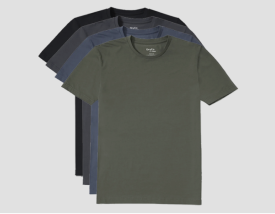
Neat’s sweat-proof undershirts are built to do three jobs quietly:
● Absorb sweat where it starts
● Allow moisture to evaporate instead of pooling
● Block sweat from reaching outer layers
When sweat stays invisible, it stops demanding attention.
When Sweat Never Reaches Your Shirt
This is where the real shift happens. When sweat never reaches your outer shirt, it stops demanding attention. You move through rooms without scanning for airflow, choose clothes based on style instead of caution, and leave backup plans behind. Sweat may still happen, but once it stays invisible, it no longer occupies your headspace.
What It Feels Like When Sweat Leaves Your Headspace

When sweat stops demanding attention, your focus comes back.
You move through the day without checking, adjusting, or second-guessing, leaving more mental space for presence, confidence, and ease.
● Fewer Checks. Fewer Adjustments: You move through your day without pausing to assess yourself. Your attention stays where it belongs.
● Outfits Chosen for Style, Not Strategy: Light colors come back. Tailored fits return. You dress for preference again, not protection.
● Presence Without Self-Monitoring: You are in conversations, meetings, and moments without a quiet internal distraction running alongside them.
That is not a small upgrade. That is reclaimed bandwidth.
Who Benefits Most From Removing Mental Load of Sweat Management
This is not about extreme sweating. It is about everyday friction.
● Professionals with long, unpredictable days
● Commuters navigating heat and transit
● Travelers managing changing environments
● Anyone tired of planning outfits around moisture
If sweat has ever influenced your decisions, it has already taken mental space.
FAQs on Mental Load, Base Layers, and Sweat Invisibility
Does sweat really create mental load?
Yes. Any issue that requires ongoing planning, monitoring, or adjustment adds cognitive effort. Sweat often triggers all three.
How is this different from sweating caused by anxiety?
This is not about emotional triggers. It focuses on everyday planning and decision fatigue caused by managing visible sweat.
Why does a base layer matter more than outer shirts?
Because sweat starts at the skin. Managing it there prevents visible signs and eliminates the need to compensate later.
Can a sweat-proof undershirt really reduce outfit planning?
Yes. When sweat stops reaching your outer layer, color, fabric, and fit choices open up again.
Is sweat invisibility more important than moisture-wicking?
Moisture-wicking moves sweat. Sweat-proof technology manages absorption, evaporation, and blocking together. That is what keeps sweat invisible.
Final Takeaway
Sweat happens. The mental load of managing it does not have to.
When sweat is absorbed, evaporated, and blocked at the base layer, it stops entering your decision-making process. You dress once. Move freely. Stay present.
That is what sweat-proof technology is really about. Not control. Relief.
Reduce the Mental Load, Not Just the Moisture. Shop Neat’s Undershirts.


