


Winter tells you to bundle up. Your body tells you to cool down. And your back sits right in the middle of the argument. Anyone who has climbed a hill, carried a backpack, or walked fast through cold wind knows the struggle. You start warm, you heat up fast, and suddenly the inside of your jacket feels like a slow cooker. That moisture settles into your base layer and then chills you the moment you stop.
The goal is not to avoid sweat entirely. The goal is to manage it. When you understand why back sweat happens and you pair smart layering with the right materials, the whole system works in your favor. With the right habits and sweat proof undershirts, you can stay warm, dry, and comfortable through the coldest months.
Understanding the Winter Sweat Cycle
Sweat is not a summer-only thing. It is your body’s thermostat. When you hike, shovel, or move under a thick jacket, your internal temperature climbs. Your sweat glands activate, even in freezing air, to help you cool down.
The challenge is what happens next. Moisture gets trapped between your back and your jacket. It soaks into your clothing, slows evaporation, and pulls heat from your skin. That chill you feel when you stop is the flash off effect, and once it hits, it takes a while to feel steady again.
Back sweat shows up in winter because many people overdress. Warmth feels good at first, but insulation adds up fast and traps heat. Understanding this cycle is the first step in learning how to stop back sweat during cold weather activities.
Scientifically, your body relies on thermoregulation to prevent overheating, and when excess insulation blocks heat release, your sweat glands activate even in cold environments.
Core Strategies to Stop Back Sweat: Layering, Venting, and Smarter Pacing
Stopping back sweat is not about one big trick. It is about simple habits that work together. Layering well, venting early, and pacing smarter can change everything. Small adjustments stack up fast once your body heat rises. With the right routine, your winter jacket starts working with you instead of trapping all that warmth against your back.
Start Colder Than You Think
This one is tough, but it works. If you begin your activity feeling cozy, you will overheat. Most winter athletes start cold, almost too cold. Once you move, your body creates plenty of heat and warms the layers around you.
If your hands or ears feel chilly, use small accessories. Do not bulk up your core. Extra insulation there is what leads to back sweat under your winter jacket.
Vent Before You Overheat
Think of venting as a pressure release. The moment you feel a warm rush across your back or chest, open something up.
Helpful venting options:
● Pit zips
● Partial front zip
● Thigh vents
● Adjusting headwear
These small adjustments prevent your internal temperature from spiking and keep moisture from building into a heavy, wet patch behind you.
Pace Yourself
Even the best gear cannot help if your pace is constantly pushing you into overheat mode. Move steadily. Slow down before a planned break so your body cools gently. Once you stop, put on a warm layer right away to trap heat before the chill sets in.
Building a Better Base Layer System

Your base layer is your first line of defense. It decides how sweat behaves and how fast moisture leaves your skin. The right fabric helps you stay warm and dry. The wrong one clings, chills, and creates a perfect storm of back sweat.
Merino Wool: A Winter Favorite
Merino regulates temperature beautifully. It absorbs moisture without feeling wet and resists odor even on long trips. It also maintains a stable microclimate close to the skin. This helps prevent temperature spikes that lead to back sweat.
Lyocell and Other Natural Fibers
Lyocell is soft, breathable, and great at moisture movement. Linen absorbs a surprising amount of moisture and dries quickly. Both help with winter comfort, though merino tends to outperform them during higher effort activities.
Synthetic Layers
Synthetic fabrics wick sweat quickly and dry fast. They are great for high output activities like fast hiking or winter running. The tradeoff is odor and that chilly sensation once synthetic fabric becomes damp.
High Performance Gear That Helps Control Back Sweat
Once your basics are dialed in, higher performance gear can make the entire system more efficient. Technical layers move moisture faster, reduce cling, and keep your temperature steadier during bursts of activity.
The right fabrics help your back stay dry even when your pack presses against you. And when you add a sweat proof undershirt to the mix, you get a noticeable boost in comfort on every cold-weather outing.
Mesh and Technical Blends
Mesh layers create a small air buffer that allows sweat to escape more freely. Performance blends with temperature-responsive fibers help your body stay balanced during exertion.
Vapor Barriers
These are used in extreme cold to keep insulation dry. Not for everyday hikes, but they showcase how important moisture control is during winter movement.
Sweat Proof Undershirts
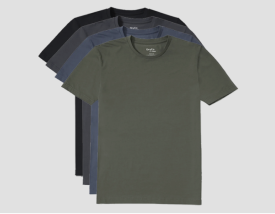
This is where back sweat undershirts shine. Neat Apparel sweat proof undershirts use advanced barrier and wicking technology to keep moisture off your skin and away from your outer layers. They help regulate temperature, prevent cold cling, and keep your back feeling steady even when your pack or jacket traps heat.
If you deal with persistent back sweat or backpack-related dampness, a back sweat undershirt makes a huge difference. It is a simple upgrade that pays off every single time you move through winter weather.
When Sweat Is More Than Just Weather
Sometimes the issue is physiological. Hyperhidrosis, hormonal shifts, thyroid changes, and infections can increase sweat production. Stress also plays a role and can activate sweat glands even in cold conditions.
If your sweat feels excessive or sudden, a healthcare provider can rule out underlying causes. Treatment options range from targeted skincare to prescription solutions.
Frequently Asked Questions
Why does back sweat happen even when it is freezing outside?
Back sweat is triggered by internal heat, not outside temperature. When you move under a heavy jacket or pack, your body warms up fast. That trapped heat creates sweat, which then collects behind you.
Can a sweat proof undershirt really help stop back sweat?
Yes. Sweat proof undershirts use moisture-blocking panels and fast-drying fabrics that keep sweat off your skin. They prevent that soaked, chilly patch from forming under your jacket.
What base layer works best for reducing back sweat?
Merino wool is a top choice because it regulates temperature and absorbs moisture without feeling wet. Lyocell and high-performance synthetics also work well for cold weather movement.
Should I start my activity cold to prevent sweating?
A little cold at the start is a good sign. It means you are not overdressed. Once you begin moving, your body warms up naturally and your layers settle into a comfortable temperature.
How do I know if my jacket is causing extra back sweat?
If your back warms up faster than the rest of your body or feels damp within minutes, your jacket may be trapping too much heat. Venting early or switching to a lighter shell can help.
The Takeaway
Back sweat in winter does not have to be a constant battle. When you understand how heat and moisture behave under insulation, you can outsmart the cycle. Start colder. Vent earlier. Pace smarter. Wear materials that help your body regulate itself.
And if you want a simple layer that does more of the work for you, choose sweat proof undershirts built for real moisture control. Your winter jacket will feel more comfortable. Your breaks will feel warmer. And your adventures will feel a lot more enjoyable.
Ready to stop back sweat? Find your Neat Apparel undershirt now.


