


Presentation days bring a different kind of pressure. You prepare the slides, review the numbers, and rehearse what you want to say. But one small detail can quietly affect your confidence throughout the entire moment: what you are wearing.
Clothing should never compete with your message. It should support it. The right outfit allows you to focus on speaking clearly, moving naturally, and connecting with the room instead of adjusting collars or worrying about heat.
When clothing works with your body and the environment, it becomes a tool. When it does not, it becomes a distraction.
The goal is simple. Dress in a way that allows your attention to stay on the conversation, not the fabric.
Start With the Situation
Before choosing clothing, take a moment to think about the environment.
Different settings have different expectations. A startup meeting may feel relaxed, while a boardroom presentation may call for something more structured.
Your role matters too. Are you leading the discussion, pitching an idea, or facilitating a conversation?
Once you understand the room, building a strong presentation outfit becomes easier. You are no longer guessing. You are dressing for a specific purpose.
Understand the Room and Audience

Professional environments have subtle dress codes. Aligning with those expectations makes people more comfortable listening to your message.
In formal settings such as finance, consulting, or executive meetings, structured clothing often communicates preparation and authority.
In creative industries or modern offices, flexibility is common. Clean layers and polished basics tend to work well.
Many professionals rely on clothes for business meetings that strike a balance between comfort and professionalism. The goal is to look prepared without appearing overly formal for the setting.
When in doubt, a simple rule works well: dress one level above the average audience.
Comfort Supports Focus
Clothing should not compete with your attention.
If a shirt feels tight across the shoulders or a waistband constantly shifts, your mind will notice it throughout the presentation.
Fit matters because movement matters. During a presentation you may walk, gesture, turn toward a screen, or sit briefly before standing again.
Clothing should allow those movements without resistance.
That is why many professionals lean toward business casual outfits when presenting. Structured pieces combined with flexible fabrics allow mobility while maintaining a polished look.
Fabric Choice Makes a Bigger Difference Than Most People Think

Presentation environments can become warmer than expected. Stage lighting, crowded meeting rooms, and adrenaline all increase body temperature.
Fabric that traps heat or moisture can quickly become uncomfortable.
Lightweight materials that allow airflow help maintain focus during long discussions. Breathable construction allows sweat to evaporate rather than accumulate inside the garment.
Choosing fabrics designed for airflow is one of the simplest ways to maintain comfort during long presentations.
This becomes even more important for professionals interested in sweat-free dressing for plus-size men, where airflow and moisture control can dramatically improve comfort during stressful moments.
Color and Visual Clarity
Color choices affect how people perceive your presence in a room.
Neutral tones often work best because they keep attention on your message rather than your clothing.
Navy and charcoal communicate calm professionalism. Black can feel formal and strong, while mid-tones often work well under indoor lighting or on camera.
Small accents such as a tie, pocket square, or subtle accessory can add personality without drawing attention away from your words.
The key is balance. Clothing should support the message, not compete with it.
Shoes Influence Confidence More Than You Think
Footwear affects posture, movement, and stability.
Uncomfortable shoes create tension in the body. That tension often shows up in posture and movement during presentations.
Supportive, polished shoes are usually the safest option. They allow you to walk confidently across the room without distraction.
Many professionals keep a dedicated pair of comfortable presentation-day shoes ready for important meetings.
Managing Heat and Sweat Without Stress
Even calm speakers can experience warmth during presentations. Adrenaline naturally raises body temperature.
Preparing for this in advance prevents discomfort later.
Choose breathable fabrics.
Arrive early to allow your body temperature to settle.
Keep water nearby to stay hydrated.
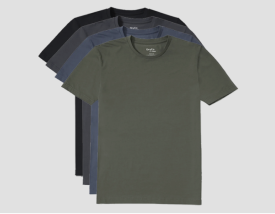
Some professionals also wear a lightweight base layer designed to manage moisture. This small adjustment can help maintain a clean appearance throughout long presentations.
Clothing designed to handle heat and moisture allows you to move through the day all day without outfit changes, which is especially helpful during conferences or multi-meeting schedules.
Plan for Movement and Equipment
Presentations often involve more than speaking.
You may walk across the room, operate a clicker, or wear a microphone. Clothing should allow these adjustments easily.
Shirts or jackets with structure usually hold microphones more securely than soft or loose fabrics.
Pockets can also be helpful. They provide a place for small essentials such as a clicker or notes without creating awkward movements.
Small functional details can reduce distractions during the presentation itself.
Preparing Your Outfit Before the Day Begins
Presentation days are not the time to test brand-new clothing.
Wear the outfit briefly beforehand. Walk around, sit, and move your arms as you would during a presentation.
Check for small issues such as stiffness, noise from fabric movement, or seams that shift when you move.
A quick preparation step removes surprises and allows you to enter the room with confidence.
Travel and Arrival Strategy
Commuting to a presentation can create its own challenges.
Wrinkles, heat from walking, or crowded transportation can affect how clothing looks when you arrive.
If possible, travel in comfortable clothes and change once you reach the venue. A simple garment bag can keep your presentation clothing fresh.
Allowing a few minutes to cool down before the presentation begins can make a noticeable difference in comfort.
Frequently Asked Questions
What should you wear for an important presentation?
Choose clothing that is comfortable, structured, and appropriate for the environment. A balanced combination of professionalism and comfort helps maintain confidence.
Are business casual outfits appropriate for presentations?
Yes. In many workplaces, business casual clothing offers a professional appearance while allowing greater comfort and flexibility.
Why does fabric choice matter during presentations?
Breathable fabrics allow heat and moisture to escape, which helps prevent discomfort in warm meeting rooms or under stage lighting.
How can I prevent sweating during a presentation?
Choose lightweight fabrics, stay hydrated, arrive early to cool down, and consider moisture-managing base layers if needed.
Should you try new clothes on presentation day?
No. Wearing new clothing for the first time during a presentation can introduce unexpected discomfort or fit issues.
Final Thoughts
Clothing for presentation days should support clarity, not compete with it.
When fabric breathes well, movement feels natural, and the fit stays comfortable, your attention remains on the message you want to deliver.
Good presentation clothing is not about fashion trends. It is about removing distractions.
When your clothing works quietly in the background, your ideas move to the front of the room where they belong.
Shop Neat Apparel, designed to stay sharp, manage moisture, and keep you comfortable during long meetings and presentations.


