


Travel should feel freeing. But if you sweat easily, long walks through airports, crowded security lines, humid layovers, and synthetic seats can turn a simple trip into a constant mental calculation. Where is the airflow? Is this shirt showing sweat? How much longer until I can change?
Sweating during travel is normal. What makes it uncomfortable is when sweat lingers, spreads, and becomes visible. The good news is that staying dry is not about luck. It is about understanding fabric behavior, choosing the right layers, and packing with intention.
This guide breaks down how to travel comfortably when you sweat easily, using fabric science, smart layering, and proven strategies that work in real travel conditions.
Start With Fabric, Not Fashion

When it comes to sweat, fabric matters more than fit, color, or brand. Once moisture leaves your skin, the fabric decides what happens next. It either moves sweat away so it can evaporate, or it traps it where it spreads and stays damp.
High-Performance Synthetic Fabrics
Modern performance synthetics are designed for one job. Move sweat fast.
Polyester: Lightweight, durable, and one of the most reliable fast dry fabrics available. Polyester fibers do not absorb moisture. They push it outward, allowing sweat to evaporate quickly instead of soaking in.
Nylon: Smooth, strong, and comfortable against the skin. Nylon resists visible sweat marks and performs well in high-friction zones like underarms or inner thighs. It may dry slightly slower than polyester, but often feels softer during long wear.
Engineered Moisture-Wicking Fabrics: These fabrics use specialized weaves to increase surface area and speed evaporation. They are especially effective on travel days that involve walking, heat, and constant movement.
Breathable Natural Fibers That Still Work
Some natural fabrics perform surprisingly well when chosen carefully.
Linen: Excellent airflow. Linen keeps heat moving away from the body, though it can hold moisture if fully saturated. Best worn loose.
Silk: Lightweight and temperature regulating. Silk dries quickly and transitions well from travel to social settings.
Merino Wool: Naturally moisture-wicking, odor resistant, and temperature balancing. Ideal for layered travel outfits across changing climates.
Bamboo Blends: Soft, breathable, and often blended with stretch fibers. These fabrics help reduce odor and feel comfortable during long days.
Color and Pattern Choices That Hide Sweat

Sweat may be unavoidable, but visibility is optional.
Gray fabric highlights moisture instantly. Even small sweat spots become obvious. Light colors like white, cream, and soft pastels reflect heat and show less contrast. Patterns and textured fabrics break up the surface visually, making sweat far harder to notice.
Black can work if the fit is loose. Tight black clothing traps heat and makes sweating worse.
Fit and Silhouette Matter More Than You Think
Cooling relies on airflow. Even the best moisture wicking fabrics fail if clothing sits tight against the skin.
Loose silhouettes allow air to circulate. This creates a natural chimney effect where warm air escapes and cooler air replaces it. Textured fabrics like seersucker or pique hold material away from the body, preventing that uncomfortable cling once sweat appears.
Look for garments with vented panels, gussets, or breathable construction that support movement and airflow.
Layering for Travel Days
Travel environments change fast. Heat outside. Cold cabins. Warm terminals.
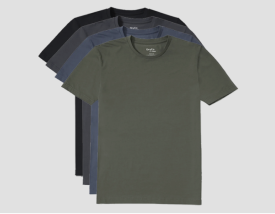
Your base layer does the real work. A sweat proof undershirt worn closest to the skin manages moisture before it reaches outer layers. It absorbs sweat, spreads it evenly, and dries quickly so your shirt stays clean and presentable.
Mid-layers should breathe. Outer layers should be easy to remove. This system lets you adjust without changing outfits or carrying backups.
Undergarments and Chafing Control
Sweat and friction often start below the surface.
Moisture-wicking underwear dries faster and stays comfortable longer. Compression shorts reduce thigh friction during long walks. Underarm liners can help in high-sweat situations. Minimizing padding and heavy elastic reduces heat buildup.
A sweat proof undershirt also reduces underarm moisture and prevents sweat from transferring to your outer shirt.
Footwear That Handles Heat
Feet sweat heavily during travel.
Choose breathable sneakers with mesh construction. Avoid thick cotton socks. Merino or synthetic blends manage moisture better and reduce blister risk. Adjustable footwear helps accommodate swelling during long days.
Cooling Accessories That Actually Help
A small carry-on kit can change how you feel by mid-day.
Portable fans help in stagnant spaces. Cooling towels or scarves support evaporation around the neck. Breathable hats block sun without trapping heat. Wipes and light sprays offer quick resets between flights.
Eat and Drink to Support Temperature Control
Hydration supports your body’s cooling system. Room-temperature fluids are easier on the system than ice-cold drinks. Electrolytes help prevent fatigue. Caffeine and alcohol increase perspiration and are best limited on travel days.
Travel Habits That Reduce Sweat
Plan activities outside peak heat when possible. Give yourself extra time to avoid rushing. Wrist cooling can offer fast relief. In dry climates, lightly damp fabrics can improve evaporative cooling. Choose backpacks that do not trap heat against your back.
Frequently Asked Questions
Does flying at high altitude make sweating worse?
Yes. Cabin pressure changes, low humidity, and mild dehydration can disrupt temperature regulation, which may trigger more sweating for some travelers.
Can anxiety during travel increase perspiration even in cool environments?
Absolutely. Travel stress can activate the nervous system and increase sweat production, especially on the palms, face, and underarms.
How many travel outfits should I pack if I sweat heavily?
Plan one breathable base layer per day. Rewearable outer layers paired with fresh sweat-managing undershirts reduce overpacking.
Are fast dry fabrics safe for long flights or overnight wear?
Yes. Quality fast dry fabrics are designed for extended wear and help reduce moisture buildup that can cause discomfort or odor over time.
Should I avoid wearing backpacks if I sweat easily?
Not necessarily. Look for backpacks with ventilated back panels or wear a moisture-wicking layer underneath to reduce heat and sweat buildup.
Final Thoughts
Sweating while traveling does not mean you are unprepared or doing something wrong. It means your body is responding to movement, stress, and environment. With the right fabric choices, breathable fits, smart layering, and a reliable sweat proof undershirt, you can stay comfortable without constantly thinking about sweat.
When moisture is managed properly, travel feels lighter. Your focus stays on where you are going, not what your body is doing along the way.
Shop sweat-smart layers. Stay dry on travel days. Shop Neat now.


