
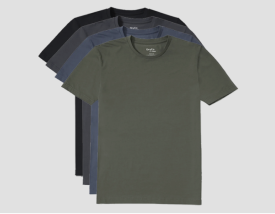


Winter commuting brings one nonstop challenge. Stay warm without overheating. You build heat with every stride or pedal stroke. Then cold air steals it back through conduction, convection, and radiation. That constant temperature tug-of-war demands smart gear.
Your layers should work as hard as you do. The right system manages moisture, adapts to your pace, and makes every part of the commute feel smoother. Warm outside. Dry inside. No sudden chills when you slow down. No clingy, sweaty shirt during the morning rush.
A strong base layer pulls moisture away fast and sets up every other layer to perform. Get the base right and the rest of your winter setup becomes instantly more comfortable.
The Warmth Formula for Winter Commuters
Layering is not piling on clothing. It is a strategy that uses science to help your body regulate its temperature. As you move, sweat builds. When you stop, that sweat cools quickly. A smart system keeps your temperature stable through every shift.
Insulation Through Trapped Air
Each layer traps small pockets of warm air. These pockets act like a buffer between you and the cold. A single thick jacket cannot adjust in the same way. Multiple layers let you add warmth or remove it as your environment changes.
Even a short commute can drop your temperature quickly. Wind on a bike path or the sudden chill of a shaded street can undo your warmth fast. Trapped air in your layers slows this heat loss and gives you flexible control.
Moisture Control: The Make or Break Factor
Sweat is your biggest winter enemy. Even in freezing temperatures, you sweat during exertion. If moisture sits on your skin, evaporative cooling begins. That cooling steals heat far faster than the cold air around you.
This is where anti-sweat undershirt materials matter. A good base layer pulls sweat away from the skin and moves it outward. The mid-layer maintains warmth while continuing the moisture transfer. The outer layer blocks wind and light moisture without trapping vapor inside. Together, they keep you dry, warm, and comfor op table.
Adaptability in Motion
Winter commutes are never one temperature. You warm up after a few minutes. You cool down when waiting for a crosswalk. You heat up again walking on the sidewalks. Layering lets you adjust effortlessly. One zip, one removal, one addition. Temperature stays steady. Sweat stays under control.
Layer 1: The Base Layer. The Wicking Engine

Your base layer is the foundation of every winter layering system. It should sit close to the skin and move sweat away the moment it shows up. Cotton is a no-go in cold weather because it holds moisture and cools you down fast. What you want is a base made from anti-sweat Shirt materials that pull moisture off your skin and spread it out so it can evaporate quickly.
A good base layer helps you stay warm without feeling soaked or sticky halfway into your commute. It keeps sweat under control during high-effort moments and stays comfortable when your pace slows. If you’re someone who heats up easily or moves fast in the cold, a moisture-wicking base layer becomes the difference between a smooth ride and a clammy start to the day.
Get this layer right and every other piece you add works better.
Layer 2: The Mid Layer. Your Adjustable Insulator
Your mid-layer is the warmth control knob of your winter system. It traps heat, releases excess moisture, and gives you the flexibility to respond to whatever your commute throws at you. This is the layer you will add when the air bites and remove once your body temperature rises.
Some commuters prefer a full-coverage mid-layer for steady warmth. Others like a lighter option that breathes well during hills or fast-paced sections. Vests are a great middle ground, keeping your core warm while allowing your arms to move freely and preventing unnecessary overheating.
The goal is simple. Choose a mid-layer that feels warm when you need it, easy to stow when you don’t, and comfortable enough to transition smoothly between effort and stillness. A good mid-layer adapts to you, not the other way around.
Layer 3: The Outer Layer. Your Wind and Weather Shield

Wind chill can undo your warmth faster than anything else. Your shell protects against wind, sleet, snow, and light rain.
Hardshell Jackets: Maximum protection for heavy rain or strong wind. Less breathable, so better for lower intensity movement.
Softshell Jackets: More breathable and flexible. Blocks wind well. Handles light rain. Ideal for high effort commutes in cold, dry conditions.
Smart Layering Strategies for Every Active Commuter
These simple principles make your winter layering guide work in real life.
Start a Little Cold: If you feel warm when stepping outside, you will overheat within minutes. Dress for the first five minutes, not the first thirty.
Choose Breathable Layers: When sweat builds quickly, your layers must move moisture fast. Synthetic base layers and breathable mid-layers make the biggest difference in comfort.
Block Wind Early: Wind speed can drop your skin temperature dramatically. Even a lightweight shell helps protect your warmth.
Layer Your Legs Too: Thermal tights, windproof leggings, or shell pants keep lower body heat from escaping. Cyclists benefit from wind-blocking fronts to handle chilly morning headwinds.
Accessories That Keep You Comfortable
Your head, hands, and feet lose heat faster than your core. Finish the system with:
Head and Neck: Light beanies, helmet-friendly caps, neck gaiters, and balaclavas for freezing days.
Hands: Insulated gloves, lobster gloves for cyclists, or pogies for extreme cold.
Feet: Wool or synthetic socks. Waterproof boots or cycling shoe covers. Gaiters for slush or deep snow.
Frequently Answered Questions
Why do I feel colder after I stop moving in winter?
Sweat on your skin cools rapidly through evaporation, pulling heat away once your activity slows.
Should I dress warm before starting my commute?
It is better to start slightly cool since your body temperature rises quickly once you begin moving.
How does wind affect winter warmth?
Wind accelerates heat loss by stripping away warm air, making proper layering and wind protection essential.
Can layering help prevent excessive sweating?
Yes, breathable layers allow heat and moisture to escape, reducing sweat buildup during active commutes.
How often should I adjust my layers during a commute?
Adjust layers whenever your pace, environment, or temperature changes to stay comfortable and dry.
The Neat Apparel Takeaway
Winter layering is a balance of warmth, sweat control, and adaptability. Understanding winter layers conduction convection radiation helps you pick the right combination for your pace and conditions. Whether you are walking fast to the office or powering through a frosty bike path, a smart layering system keeps you warm without the sweat and chills that disrupt your morning.
For active commuters, it always starts with the right base layer. Anti-Sweat Shirt Materials are your secret weapon. Add breathable insulation. Choose a shell that matches your effort level. Adjust as you move.
Stay warm. Stay dry. Shop Neat.


